





School of Thought top tips to win the skills war
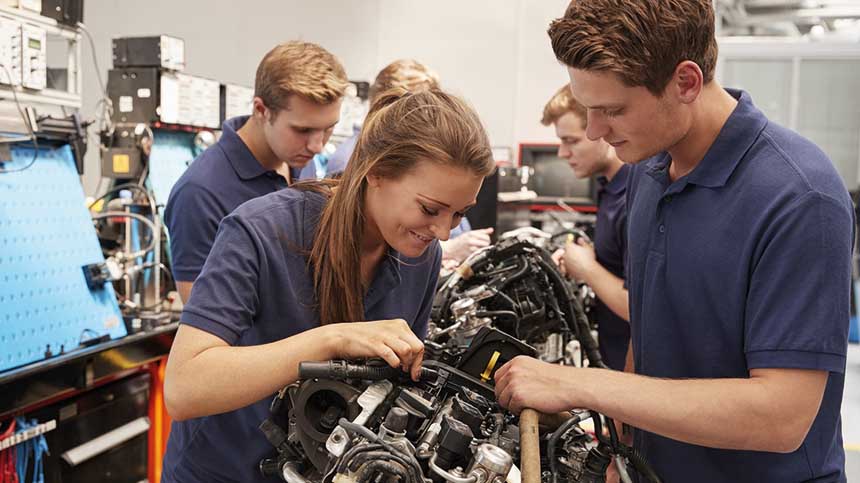
School of Thought has produced a list of practical steps to help bodyshops attract and retain new talent.
The guidance has been released amidst growing challenges around recruitment, with the automotive sector particularly vulnerable as new technologies demand new skill sets, older technicians are retiring in greater numbers and fewer young people are joining the sector to replace them.
School of Thought has also highlighted the economic downturn as a factor, with falling volumes resulting in tighter margins, a reduction in headcount and a reluctance to invest in apprentices.
Further, bodyshops have expressed concerns about the ‘work-readiness’ of young people, while even those who do take on apprentices fear losing them before they reach end point assessments.
Risk factors
Julie Eley, School of Thought co-founder, said: “Apprenticeship achievement rates across all sectors have hovered around the 55–60% mark in recent years, meaning a substantial minority either drop out before completing or do not pass end-point assessment first time.
“In bodyshops, where the job is hands-on and time-pressured, the risk factors can be amplified. But every apprentice who leaves represents wasted recruitment effort and another hole in the future middle tier of the workforce.”

Practical fixes
- Ring-fence mentoring time and build it into job costing
- Use a staged skills ladder and set clear 30/60/90-day expectations
- Offer tool loans, starter kits, or payroll-deduction schemes for tool purchases
- Introduce work experience with short, supervised placements
- Design training with colleges so what is taught matches today’s repair methods
- Help with travel planning and offer wellbeing check-ins
- Highlight career paths by mapping progression from apprentice to technician.
Several problems
Eley concluded: “The skills and generation gap in bodyshops is not one problem it is several problems reinforcing each other. Vehicle technology is increasing the skill level required, experienced technicians are leaving, and economic downturns push businesses to cut training just when they most need to protect it.
“If we want shorter key-to-key times, safer repairs, and sustainable capacity we have to treat entry routes as critical infrastructure. That means protecting apprentices through recessions, rebuilding meaningful work experience, and giving colleges and employers the support to produce technicians who are genuinely workshop ready.
“The alternative is a future where demand still exists, but there simply aren’t enough skilled hands to deliver the repairs, and this is where we are right now.”
