






Analysis from Solera cap hpi has revealed that a quarter of accident-damaged vehicles are missing salvage markers.
This means that the history of used vehicles is not always visible.
Introduced through the integration of Audatex claims data and working in partnership with some of the UK’s leading salvage and insurance companies, Incident History aims to plug this gap.
It has been designed to provide additional context about a vehicle’s past by drawing on data generated during the claims, repair, and salvage processes.
Since launch, Incident History alerts have resulted in missing markers being added in more than 25% of cases reviewed.
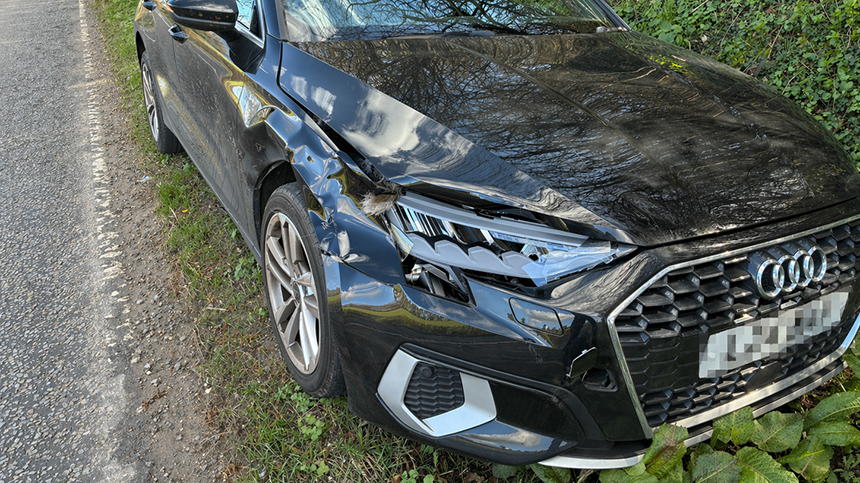
Data gap
Chris Wright, regional vice president for Solera, heading up cap hpi and Audatex UK, said: “When we launched Incident History, our objective was to plug a known and frustrating gap in industry-wide data. It helps uncover cases where the recorded vehicle history is incomplete before the next transaction is made, assisting all parties bearing risk in the deal and upholding consumer duty.
“In more than a quarter of the investigations we’ve carried out, the information has led to missing salvage markers being identified and corrected. Those corrections benefit not only the customer carrying out the check, but everyone who subsequently relies on those records.”
Blind spots
He continued: “Whether information is missing due to human error, gaps in reporting, or deliberate manipulation, relying on a single source can leave blind spots.
“Incident History gives hpi users another way to challenge what they think they know about a vehicle. Even if a salvage marker is missing, altered, or never recorded, evidence from claims, repair, and salvage activities can still raise questions that warrant further investigation.
“It provides an independent view of a vehicle’s past and helps ensure important information doesn’t remain hidden. Corrections are made through the MIB’s Navigate system to benefit the entire industry with consistent data.”
