





ADAS skills gap exposed in new report
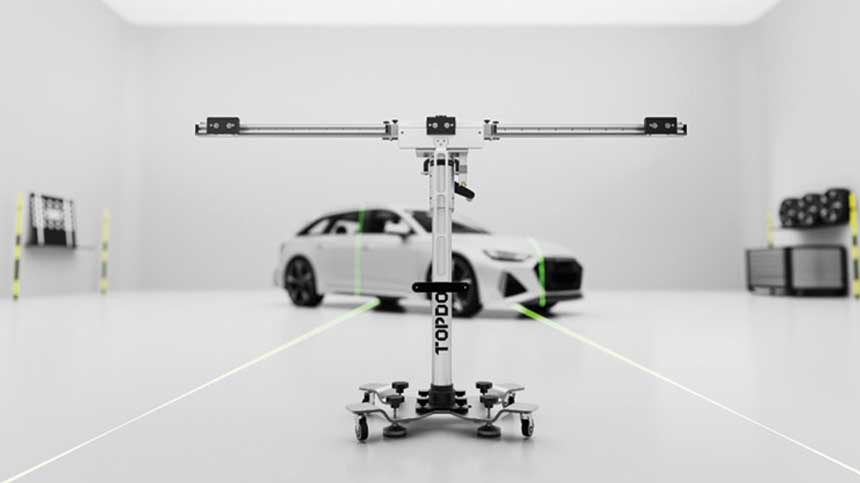
The UK is facing a severe ADAS skills gap with two thirds of UK independent repairers still unable to work on ADAS-enabled vehicles.
A new survey by Autotech Training has revealed that more than half either outsource these jobs at a cost of £300 per vehicle, or simply don’t offer them at all.
Meanwhile, just 17.5% of repairers plan to invest in ADAS training in the next 12 months, with high equipment costs, staff shortages, and a lack of perceived customer demand identified as the main barriers.
However, with 90% of all new vehicles manufactured since 2018 including some form of ADAS, workshops not investing in ADAS capabilities risk falling behind.
The survey also warned that a lack of ADAS skills and knowledge could pose a major safety risk, with 12% of respondents unaware that calibration is required following windscreen replacements, bumper work, and wheel alignments.

Wake up call
Alistair McCrindle, operations director, Autotech Training, said: “The results of this survey are a wake-up call for the entire automotive industry.
“With so few vehicle technicians ADAS qualified and many customers unaware of the importance of calibration, there is a real risk that vehicles will return to the road with systems that are not functioning as they should, compromising safety for drivers and other road users. At Autotech Training, we are committed to helping close this gap.
“By delivering IMI-accredited ADAS training directly to garages using mobile calibration equipment, we’re making it easier for workshops to upskill their teams without disrupting day-to-day operations.
“The independent aftermarket has a vital role to play, but it needs support, clear standards, and greater awareness to ensure every vehicle on the road is repaired and calibrated to the highest safety standards.”
Skills gap
The Autotech Training survey comes after a report by the Institute of the Motor Industry found that just 7,572 automotive technicians in the UK are qualified to work on ADAS vehicles, which represents just three per cent of the workforce.
It further warned that the industry will need nearly 97,000 trained technicians by 2032 to meet growing demand.
