






A consistent approach to electrification is more important than ZEV Mandate targets, according to Matt Freeman, managing consultant at Solera cap hpi.
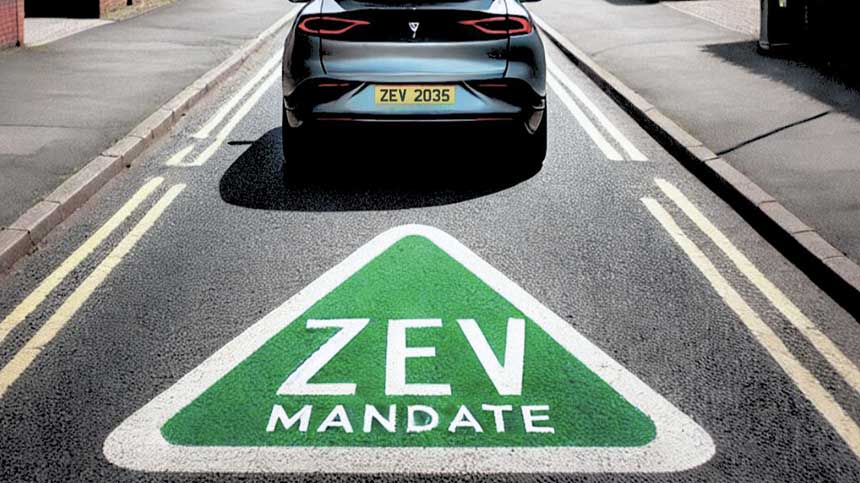
The government is expected to reduce the 2030 ZEV Mandate target from 80% to 50%, which will give manufacturers more flexibility around electric vehicle production and sales.
But Freeman believes the ZEV Mandate does not impact electric vehicle sales as much as claimed.
He said that with fleets and business registrations accounting for up to 80% of sales, tax incentives have a far greater influence on uptake.
Stability
Freeman said: “What manufacturers need above all else is stability and a clear understanding of what the market is expected to look like. A move to 50% would give some manufacturers additional flexibility, particularly those still balancing investment between electric and combustion-engine vehicles.
“But the reality is that different OEMs are at different stages of the transition. Those decisions were made years ago and cannot simply be reversed. That is why a stable policy environment matters. Businesses can adapt to change, but they need confidence to make long-term investment decisions.”
Tax incentives
He continued: “The fleet sector remains the key driver of EV registrations. That market is influenced far more by tax policy than by manufacturer sales targets. When somebody is choosing their next company car through a salary sacrifice scheme, they are not thinking about the ZEV Mandate.
“They are looking at the financial benefits available to them. Benefit-in-kind rates and taxation policy remain among the strongest drivers of EV adoption in the UK.”
He concluded:
“The most important thing for OEMs is a stable framework that allows them to invest with confidence. Automotive product cycles run for years rather than months. Whatever the target is, manufacturers need confidence that it will remain in place long enough for them to plan around it.”
