



ZEV Mandate must be backed by a skills strategy, warns IMI
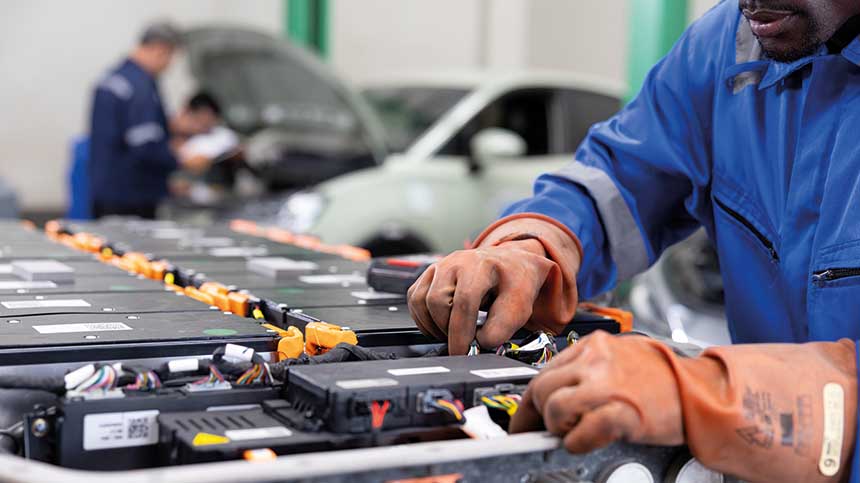
The Institute of the Motor Industry has warned that a lack of skills could undermine government objectives following the ZEV Mandate consultation.
The industry body has now submitted its response to the consultation, backing the ambition of 100% zero-emission new car and van sales by 2035.
However, it warns that the current trajectory could outpace the capacity of the workforce to service, maintain and repair these vehicles, with a projected shortfall of 43,000 EV-qualified technicians by 2035.
Its own survey in the summer revealed that 82% of respondents do not believe the aftermarket workforce will be able to upskill in time, with 39% rating access to electric vehicle training and upskilling as poor.
Proposals
To address this and to ensure that businesses remain focused on vital training, the IMI is proposing a series of measures:
- Mandate recognised occupational competence for anyone carrying out safety-critical work on electric vehicles
- Develop a funded, long-term automotive skills strategy with targeted support to help employers access recognised qualifications
- Build workforce readiness into decisions on future ZEV targets
- Strengthen confidence in the used EV market through consistent, transparent battery health assessments and recognised standards
- Boost training capacity by working with education providers and industry to grow the pipeline of experienced lecturers, trainers and assessors needed to train the future workforce.

Confidence
Emma Carrigy, head of research and public affairs at the IMI, said: “Our members have been clear: confidence that the workforce will be ready at the pace the ZEV Mandate demands simply isn’t there. Only around a third of the UK’s technicians are currently EV-qualified, and we’re forecasting a shortfall of more than 43,000 by 2035. Businesses need a clear and stable picture of how the transition will unfold if they are to invest in the training and upskilling that’s required.
“Our response clearly demonstrates that moving the goalposts on sales targets won’t solve this on its own, and neither will holding firm without a plan for the people who will keep these vehicles on the road. If there are not enough technicians trained to safely repair, service and maintain the coming influx of EVs, no amount of manufacturer investment or consumer demand will bring success to the transition to zero emission mobility.
“That’s why we’re urging government to back a funded skills strategy and make recognised competence, through TechSafe, a requirement for anyone working on these vehicles.”
