





ZEV Mandate concerns revealed by IMI survey
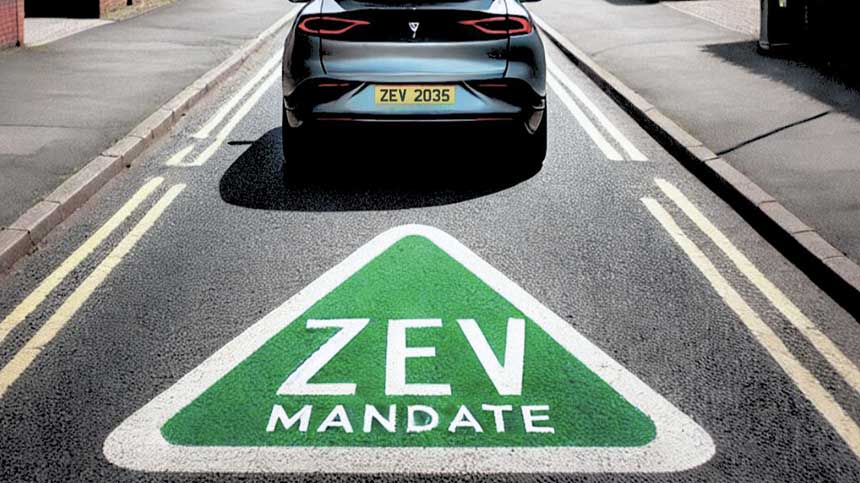
A new survey by the IMI has revealed serious industry concerns about the sector’s ability to meet the ZEV Mandate deadline.
Labour MP Perran Moon has stated the government will not row back on its commitment to end the sale of new petrol and diesel vehicles by 2030.
However, research by the industry body has found that the vast majority of those within automotive do not believe the deadline is feasible.
According to the exclusive survey, 79% are not very confident that the transition to zero-emission vehicles can be delivered safely and sustainably. Meanwhile, 82% do not think the workforce will be ready in time, with 39% rating access to EV-related training and upskilling in their part of the sector as very poor or fairly poor.
The survey also found that 44% said the transition to zero-emission vehicles is having a mostly negative or slightly negative effect on their organisation.
Meanwhile, 48% supported bringing the ZEV Mandate review forward, with charging infrastructure, skills, and vehicle affordability the three key areas to be addressed.

Direction of travel
Nick Connor, chief executive of the IMI, said: “Nobody in our sector disputes the direction of travel; the UK is moving to electric vehicles, and manufacturers, dealers and technicians all need to plan around that.
“But new IMI insight shows the automotive workforce itself has serious doubts about whether it can keep pace. Nearly half of respondents believe a review of the ZEV Mandate should be brought forward and we need to see a clear focus on skills.”
“Whatever the government decides about the pace of the transition, the message from those on the frontline supporting motorists is consistent: don’t let the debate about targets distract from the harder job of making sure technicians, engineers and the wider workforce are ready, safe and confident to deliver it.
“The sector needs a clear picture about the pace of transition so that training providers, employers and individuals can plan investment in skills with confidence. That’s the balancing act that matters most: realistic targets for vehicle sales, matched by an unwavering commitment to making sure the workforce is ready to support them.”
