





SMMT warns against new ZEV Mandate targets for HGVs
The Society of Motor Manufacturers and Traders has warned the government against introducing stricter ZEV Mandate targets for HGVs.
The government is preparing new regulations around zero emissions for the HGV sector as part of its wider objective of achieving net zero by 2050.
However, the SMMT has warned tougher regulations could destabilise the market and insisted that current targets – a 30% reduction in emissions by 2030, rising to 64% by 2035 and 100% by 2040 – are already ambitious.
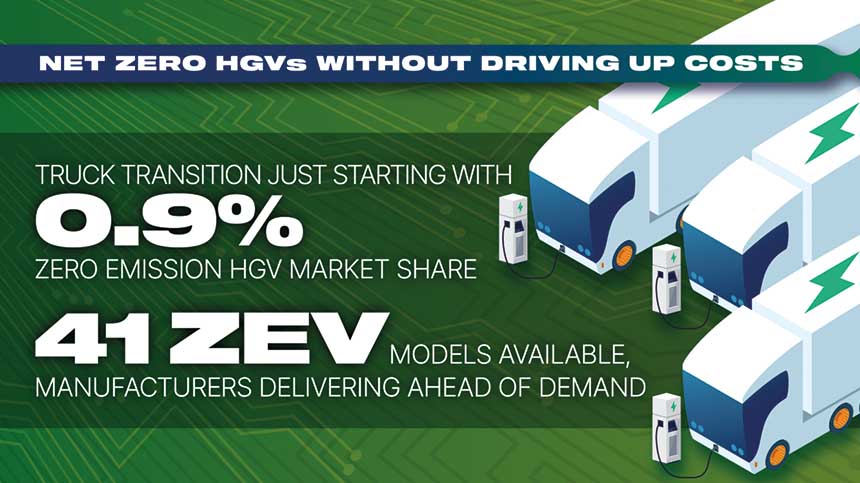
Its own figures have revealed a sharp drop in zero emission vehicle adoption this year, accounting for just 0.9% of all new HGV registrations compared to 1.4% last year.
It attributes this to significant barriers such as the high cost of ZEVs and depot infrastructure upgrades, the impact of rising energy prices on running costs, and delays around the installation of suitable HGV charging stations.
Barriers
With these barriers demanding substantial long-term investment, the SMMT believes that mandating ZEV-only sales prematurely would risk destablising the market, driving up costs, slowing low carbon fleet renewal, and repeating the challenges faced by the car and van sectors.
It is now calling for a more balanced approach, supported by long-term enablers such as the Plug-in Truck Grant and Depot Charging Scheme. It also says a comprehensive national infrastructure strategy is essential, including fast-tracked planning approval for HGV depot upgrades and accelerated rollout of public infrastructure.
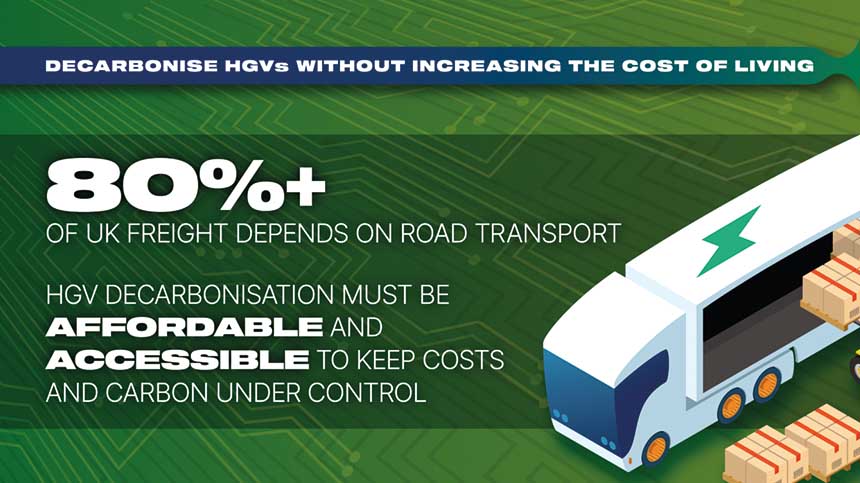
The HGV sector underpins more than 80% of UK freight, while manufacturers already offer more than 40 ZEV models, years ahead of natural demand, covering a complex range of more than 70 different segments.
Fully committed
Mike Hawes, SMMT chief executive, said: “The HGV industry is fully committed to decarbonisation, having already delivered zero emission models years ahead of natural demand. But while the goal of net zero by 2050 remains, we need a pathway that is realistic, affordable and delivers CO2 savings now.
“Government regulation must recognise the complexities of this critical market, which are far greater than the car or van sectors, and with so much of our economy dependent on freight, the priority must be to cut carbon in ways that accelerate fleet renewal without driving up costs.”
