



Number plate cloning could spike when ’26 plates launched
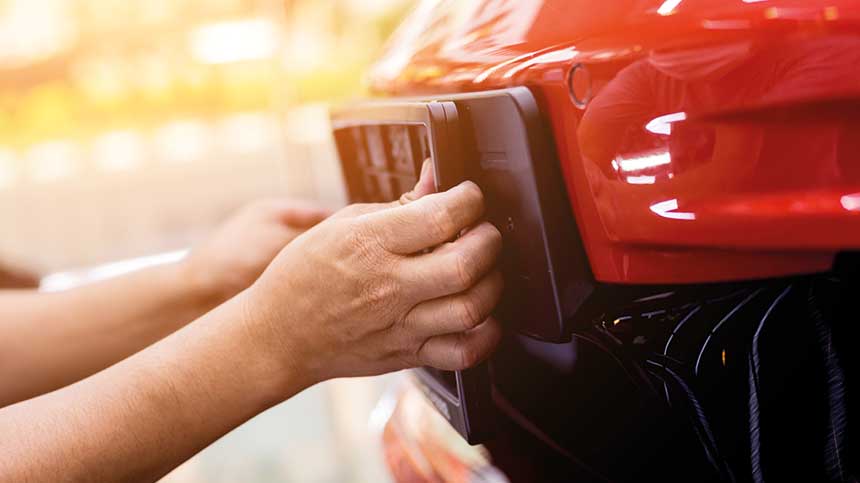
UK motorists have been warned to guard against number plate cloning ahead of new ‘26’ plates launching on 1 March.
Number plate cloning is when fraudsters duplicate number plates of unknowing drivers so offences are wrongly blamed on the registered keeper.
Offences can include speeding, parking illegally, and even robbery.
The practice has become increasingly widespread, with Direct Line Group reporting that cloned plate incidents increased 41% in 2024.
Minimise the risk
Mike Thompson, chief operating officer at Leasing Options, said: “Usually, victims of number plate cloning don’t know their number plate has been duplicated until they receive a ticket or fine for an offence that they didn’t commit, by which point you must go through the lengthy process of reporting the crime.
“While there’s no guaranteed way to prevent number plate cloning, drivers can take several precautions to minimise the risk, particularly people driving a new car with a ‘26’ registration.
“One easy practice that can reduce the chance of your number plate being cloned is to avoid posting pictures of your vehicle online. Many criminals use social media to scope out their next target, so ensuring you don’t post your vehicle on the internet or social media is a great way to remove yourself from being a target of theft.
“When out and about, parking in well-lit areas or in security-protected car parks can also reduce the chance of criminals stopping to access your number plate details and creating a clone as a result.
“To further protect your number plate, purchasing and installing anti-theft screws and a number plate protector can prevent your plate from being physically removed.”
