






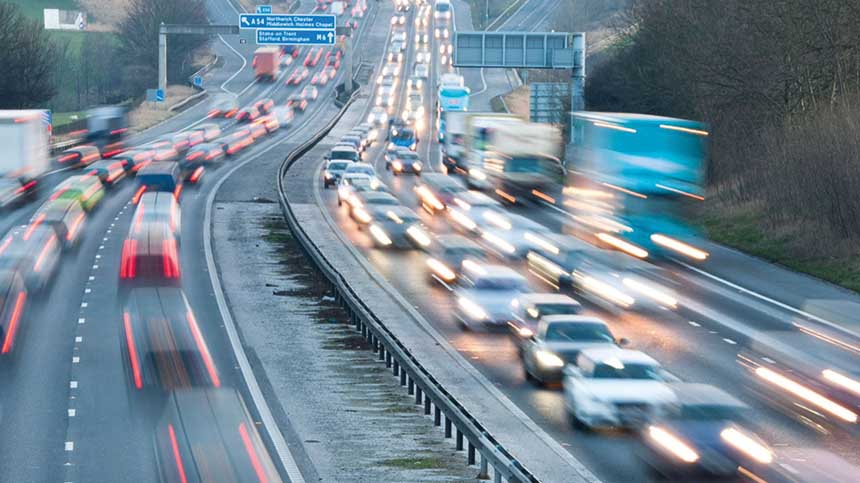
Nearly a third of drivers have cut back on car journeys as a result of the mounting fuel crisis.
According to research from Close Brothers Motor Finance, 32% of motorists are now driving less while 12% have turned to other modes of transport where possible.
The data also found that seven per cent of respondents are considering switching to a more fuel-efficient or electric vehicle while the same percentage is working from home more to reduce commuting costs.
John Cassidy, managing director of Close Brothers Motor Finance, said: “The fuel crisis is no longer just a cost issue – it’s a pressure point on everyday life. With two in five drivers worried about rising prices and one in five uneasy about simply getting from A to B, it’s clear the impact goes beyond finances.
“However, what’s particularly concerning is that people are cutting back on household spending to keep their vehicles on the road. For many, driving isn’t a luxury, it’s a necessity, it’s part of their job, so these rising costs are forcing difficult trade-offs.
“While tools like the Fuel Finder Scheme are a step in the right direction, they don’t address the root of the problem. If high fuel prices persist, there is a growing case for further support to help ease the burden on motorists who are already stretching their budgets to breaking point.”
Cost pressures
Nick Connor, chief executive of the IMI, added: “The sharp rise in fuel prices is another clear example of the growing cost pressures facing the entire automotive ecosystem.
“There is a real risk that without the right support, these pressures could slow progress in building a future-ready workforce and ultimately feed through to higher costs and reduced service capacity for consumers.
“That’s why it’s vital that government recognises the cumulative impact of these cost challenges and takes action to support automotive businesses, protecting not only the sector, but the millions of drivers and communities that rely on it every day.”
