


Summer travel surge heightens risks around counterfeit parts
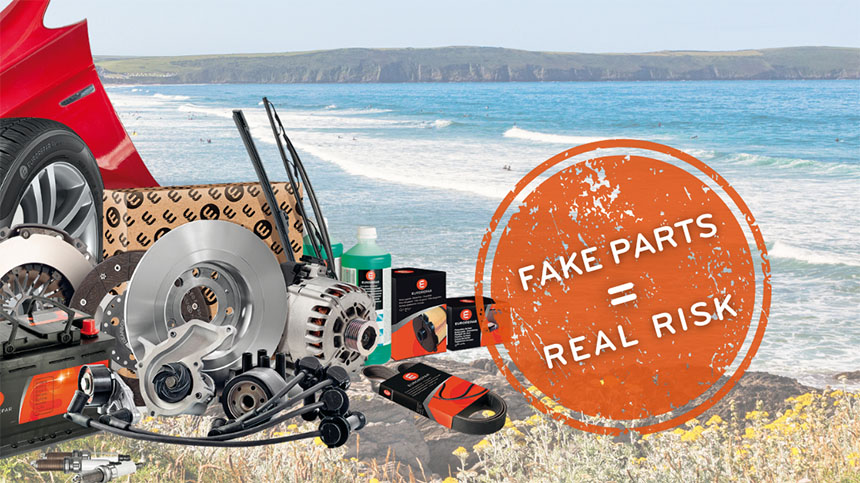
The Eurorepar Car Service (ERCS) network is calling for heightened vigilance as peak driving season threatens to coincide with an alarming rise in counterfeit parts and social media DIY culture.
ERCS is urging workshops across the UK to strengthen vigilance against counterfeit automotive parts as families prepare for peak holiday travel. Recent IPO research reveals that one in six UK motorists bought counterfeit parts in the past 12 months alone, while summer’s increased vehicle usage creates perfect conditions for counterfeiters to exploit busy workshops and cost-conscious consumers.
Risks around counterfeit parts
Summer represents the automotive industry’s busiest period, with three-quarters of Britons planning domestic holidays and nearly a quarter embarking on road trips. This surge in demand creates opportunities for counterfeit parts to infiltrate supply chains as garages face pressure to source components quickly and customers seek cheaper alternatives for holiday budgets.
The threat is amplified by social media’s growing influence on automotive repairs. Recent analysis reveals that 59% of car-related TikTok content is not recommended for drivers, with 90% of car repair videos potentially dangerous for inexperienced mechanics to attempt. Customers attempting DIY repairs based on viral videos increasingly turn to online marketplaces for parts, where the OECD estimates UK automotive spare parts counterfeiting has a trade value of £2.2 billion.
“Summer’s perfect storm of increased vehicle usage, rushed repairs, and social media-driven DIY culture creates ideal conditions for counterfeit parts to enter our workshops,” Neil Gibbs, head of network at ERCS said of the risks around counterfeit parts. “A counterfeit brake pad bought online for a pre-holiday service could turn a family vacation into a tragedy.”
IPO findings show the most commonly purchased counterfeit parts include car batteries (25% of those buying fakes), tyres and wheels (23%), and windscreen wipers (19%). Alarmingly, 14% bought counterfeit airbags and 12% purchased fake brake pads or discs. The IPO’s “Fake Always Breaks” campaign warns that 58% of motorists knowingly bought counterfeits, primarily for cost savings.
Strict verification protocols
The message from ERCS over the risks around counterfeit parts is for garages to implement strict verification protocols this summer. Garages should source parts exclusively from authorised distributors, verify packaging quality, logos, and documentation, and check for poor finishing or incorrect specifications. Additionally, they must educate customers about counterfeit risks and social media misinformation while reporting suspicious suppliers to authorities immediately.
“While TikTok videos promise quick fixes, there’s no substitute for professional expertise and genuine parts from recognised and trusted suppliers such as Distrigo,” continued Gibbs. “As families hit the roads this summer, we must ensure every component meets safety standards. A 60-second video cannot replace years of training and quality-assured parts from verified distributors.”