



RHA and Remit Training partner to tackle HGV skills gap
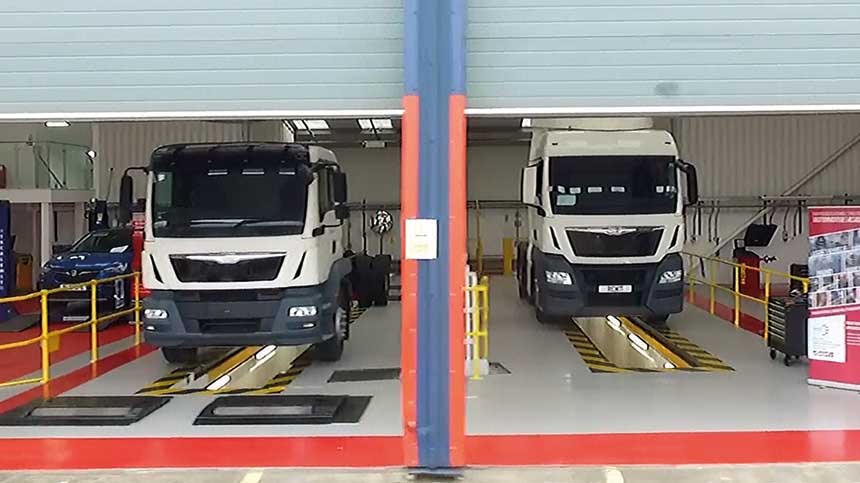
RHA has announced a new partnership with Remit Training to help address the growing HGV skills gap in the UK transport sector.
As part of the agreement, Remit Training will be a recommended partner under the RHA Skills banner for van and truck apprenticeships and technical training.
Through the partnership, logistics employers and training providers can now access a screened pool of over 400 candidates for HGV technician apprenticeships, with more than 100 available for light commercial vehicles.
Employers can also outsource delivery of both apprenticeships and adult technical training to Remit Training, which supports employers of all sizes nationwide with block-release training delivered at automotive academies in Derby and Motherwell.
Apprenticeship programmes on offer include:
- Level 2 Autocare Technician
- Level 3 Heavy Vehicle Service & Maintenance Technician
- Level 3 Light Motor Vehicle Service & Maintenance Technician
- Level 3 Vehicle Damage Paint Technician
- Level 3 Vehicle Damage Panel Technician.
Meanwhile, adult technical training includes EV and hydrogen vehicle systems, ADAS, F-Gas, IRTEC, MOT management and Light to Heavy Vehicle upskilling.
Skills development
Sue Pittock OBE, CEO of Remit Training, said: “It’s an incredible honour for Remit Training to become an RHA recommended partner. For 80 years, the RHA has championed skills development in road transport, and we’re proud to be part of the solution to recruit and train a new generation of high-quality technicians.”
Brian Kenny, training director at RHA, added: “Our members have been clear: the skills gap in technical vehicle roles is now one of the most pressing barriers to growth across road transport and logistics. This strategic partnership with Remit Training is a direct response to that challenge.
“By aligning with a provider that not only understands our sector but has been recognised for excellence by Ofsted, we are strengthening the pathway into technician roles at a national level.
“It’s part of a broader strategy to reshape how we develop, attract, and retain talent-placing modern skills provision at the heart of a more productive, sustainable and future-ready transport workforce.”