



Driving theory tests to get health check
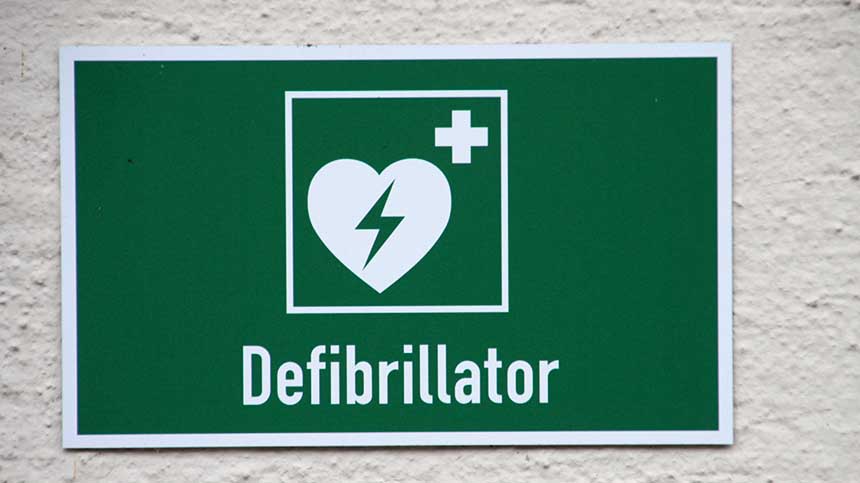
Driving theory tests are being updated to include questions around the use of defibrillators to improve the chances of survival on the roadside.
The changes are being introduced as fellow motorists are often the first people at the scene of an accident.
As a result the Driver and Vehicle Standards Agency will now test prospective drivers on enhanced cardiopulmonary resuscitation (CPR) content the use of automated external defibrillators (AEDs).
DVSA chief driving examiner, said: “Part of being a safe and responsible driver is knowing what to do in an emergency – how to step in and make a real, life-saving difference. Learning CPR and how to use an AED is a very simple skill and adding this into the official learning resource is a great way for DVSA to support the drive to raise awareness.”
Driving test
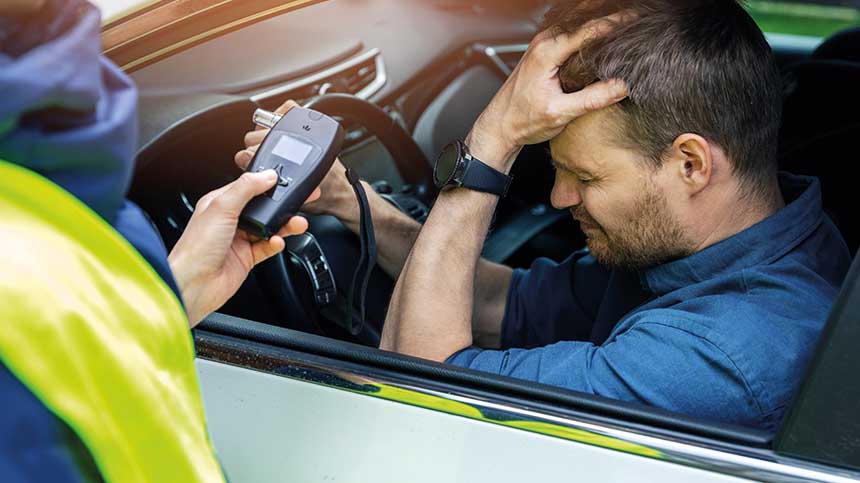
The news comes after it emerged the government is considering introducing eye tests for drivers aged 70, with tests then reoccurring every three years. It is also planning to lower the drink drive limit.
The proposals have been welcomed by road safety charities such as IAM RoadSmart and GEM Motoring Assist.
IAM RoadSmart director of policy and standards Nicholas Lyes said: “Given progress on reducing fatal and serious collisions has stalled in recent years, we welcome the UK government’s ambition to publish an updated road safety strategy with the reported measures being a step in the right direction.
“While many drivers over the age of 70 are safe and competent, health issues and confidence can have an impact on driving abilities, so it is sensible to review whether changes need to be made.
“We would also support reducing the drink drive limit in England and Wales alongside measures to target drug driving, however these would require significantly more backing for roads policing teams to effectively enforce new laws.”
Eye tests
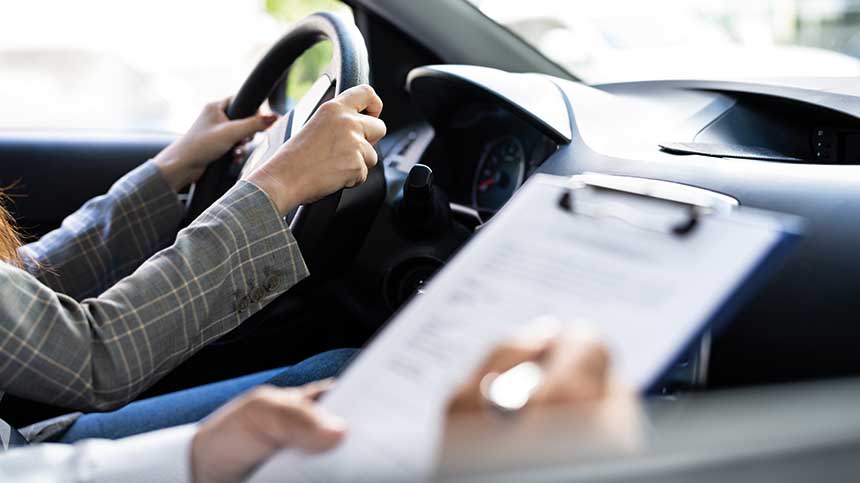
Meanwhile, GEM Motoring Assist has set eye tests are long overdue but should not be restricted to older drivers.
Head of road safety James Luckhurst said: “Regular eyesight tests would help protect all road users by identifying visual impairments that could compromise safe driving. For too long we have relied on self-reporting of eyesight problems, and we welcome the prospect of this welcome shift toward proactive safety enforcement.
“Too many people – and not just those aged 70 or over – are driving with defective eyesight that has deteriorated to a dangerous level. To reduce this risk, we want all licence holders to undergo a professional eye examination every two years as a matter of individual responsibility and public safety.”