





Industrial Accelerator Act could expose battery shortage
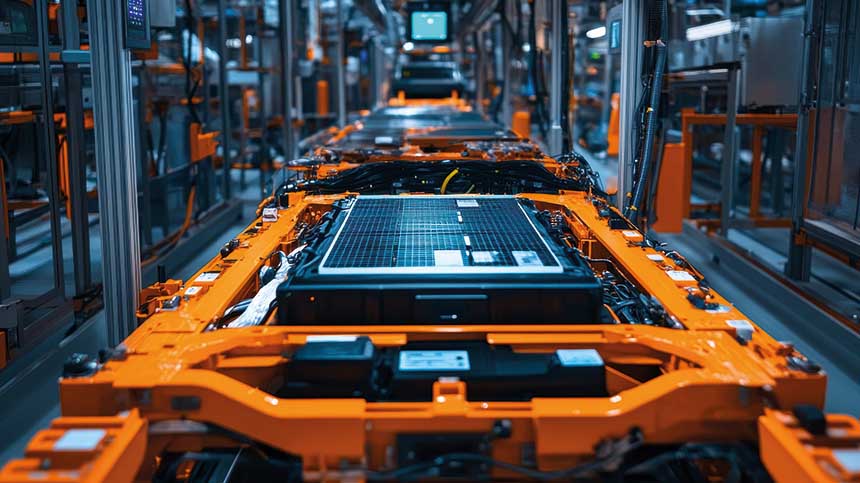
A new study has found that European demand for electric vehicle batteries would outstrip supply if the EU’s proposed Industrial Accelerator Act is introduced.
The IAA was put forward in March with an introduction date of 2028. It aims to support European manufacturing by offering targeted subsidies and promoting local and low carbon supply chains.
Relating to electric vehicle batteries, the IAA would require batteries to contain three EU-origin components within six months and five EU-origin components within three years.
However, the report by Mobility Global and commissioned by European Automotive Manufacturers Association revealed that European production would not be able to meet demand until 2032.
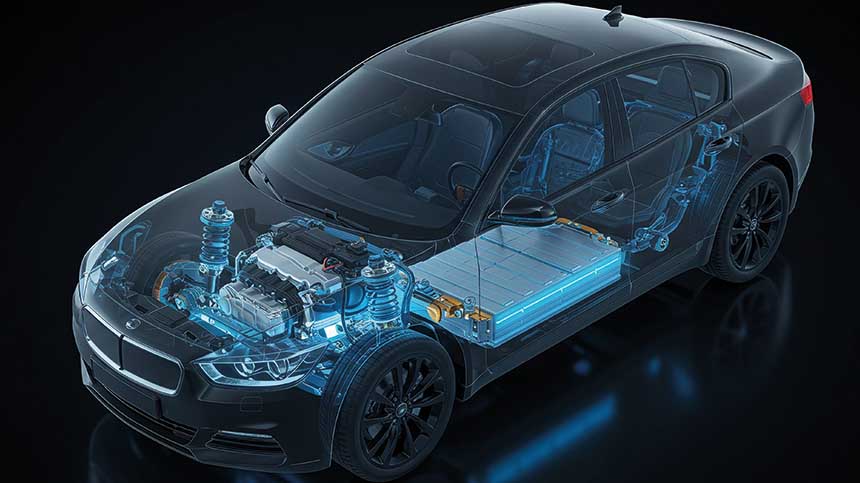
It considered three scenarios: a high-demand scenario covering the electric light-vehicle market, including private buyers benefiting from purchase incentives; a moderate-demand scenario covering the electric light-vehicle market excluding private buyers; and a low-demand scenario focused on corporate cars and public procurement only.
In all three, supply is not expected to catch up with demand until 2032, with limited battery supply meaning about three million cars would be unable to qualify for the associated IAA incentives.
The challenge would be even more pronounced for medium- and heavy-duty commercial vehicles, where demand would be around four times supply.
The report said: “The findings underline the need for a realistic and economically viable approach to localisation. The effectiveness of the IAA will ultimately depend not only on the ambition of its localisation requirements, but also on whether Europe can build the upstream capacity, competitive operating conditions and investment framework needed to deliver them in practice.”
