




Thatcham Research calls for Intelligent Speed Assist rethink
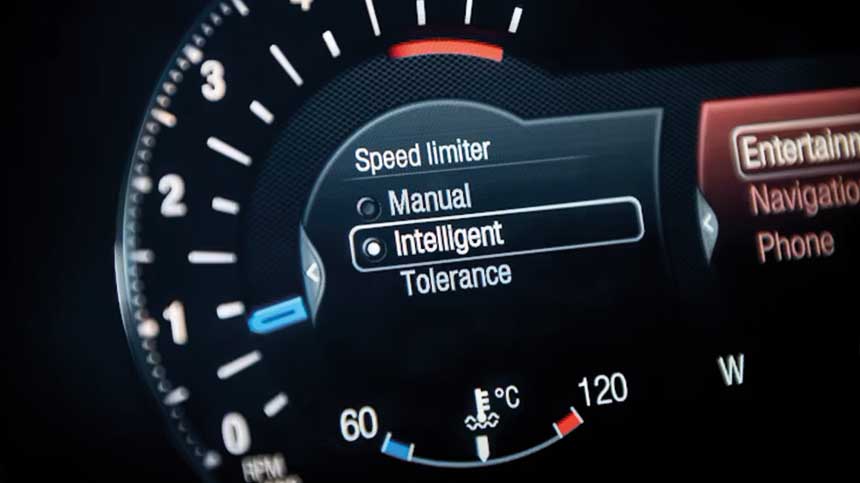
Thatcham Research is urging regulators to rethink how Intelligent Speed Assist systems are evaluated after finding they don’t always reflect real-world conditions.
ISA systems are assessed based on distance travelled and while this provides a useful baseline it can overlook performance at key moments, such as when speed limits change.
Thatcham Research measures ISA accuracy at each of these change points and when it applied its methodology to three vehicles in real-world conditions it identified significant inaccuracies.
For example, the worst-performing vehicle recorded 91% accuracy when tested on driven distance but just 74% using Thatcham Research’s event-based metric. The best-performing vehicle scored 98% compared to 90%.
Thatcham Research has warned that when ISA misreads speed limits it can lead to unexpected system responses and, over time, reduce driver confidence in the technology.
Opportunity
Jonathan Hewett, CEO, Thatcham Research, added: “ADAS technologies represent one of the most significant opportunities we have to improve road safety, but that opportunity is only realised if the systems work correctly.
“ISA is a case in point. The intent behind the legislation is sound, but a system that misreads limits, intervenes unexpectedly or presents drivers with speed data that bears no relation to the road they are on does not assist them.
“The automotive industry has the capability to deliver ISA that is accurate, consistent and genuinely useful. What is needed now is a regulatory standard that demands exactly that – one that measures performance at the moments that matter, rather than allowing systems to pass approval while failing drivers in real-world conditions.
“Getting this right is not optional. The safety case for ADAS depends on drivers trusting these technologies enough to keep them switched on. We will continue to assess these systems and feed it into the safety pillar of our new Vehicle Risk Rating system for insurers.”
