




Vehicle clocking cases rising in used electric cars
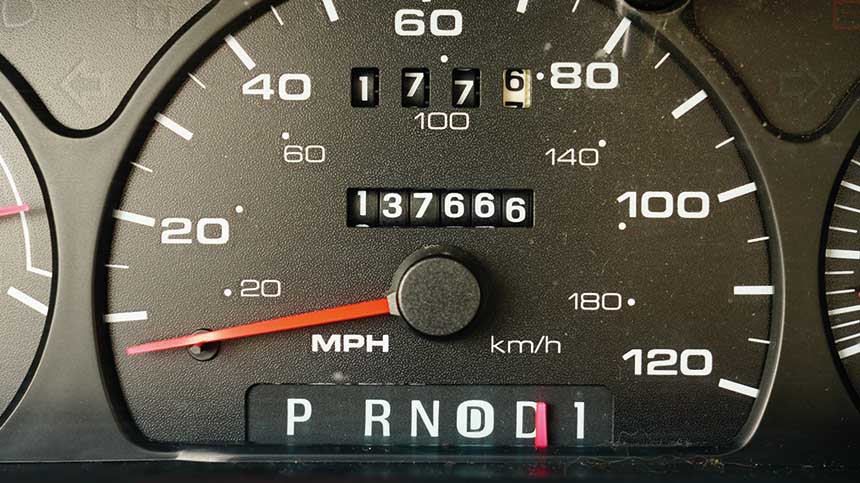
New analysis has revealed that vehicle clocking is more common in used electric cars than any other fuel type.
According to a study carried out by vehicle history platform carVertical, three per cent of all used electric vehicles showed evidence of mileage tampering.
That compares to 2.8% of diesel cars, 2.5% of petrol models and two per cent of hybrids.
However, while electric cars are the most likely to have been clocked, diesel cars saw the biggest average rollback at 35,000 miles compared to petrols at 28,000 miles, hybrids at 25,000 and electrics at 15,000.
In terms of brands, Kia models were the most likely to have been tampered with (13.6%), followed by Nissan (12.4%), Renault (4%), Audi (2.7%) and Volkswagen (1.8%).
Higher mileage
Matas Buzelis, motoring expert at carVertical, said: “Used EVs can look like an obvious way for drivers to protect themselves when petrol and diesel prices are unpredictable, but buyers need to be careful not to swap one financial headache for another.
“A clocked car can seem like a bargain on the surface, while hiding a much harder life underneath. That matters in any vehicle, but with electric cars especially, higher real mileage can mean more wear, more questions over long-term battery health and a much bigger risk of overpaying.
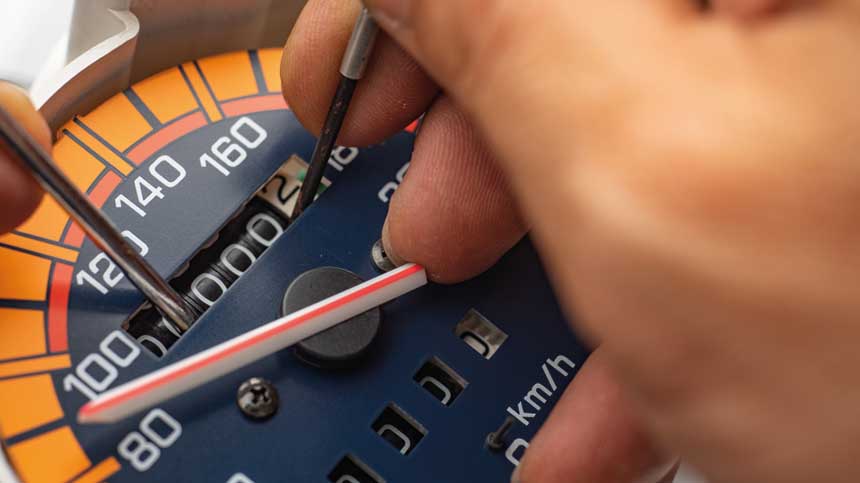
“Many people still assume newer cars and electric cars are too advanced to be tampered with, but that simply is not the case. Mileage is not always as fixed as drivers might expect in an electric vehicle. While these cars rely on digital systems, the data can still be altered using specialist odometer tools to access onboard electronics or replace key components, meaning the reading on the dashboard does not always tell the full story.
“In some cases, inconsistencies between systems, service records or battery performance can point to a car that has covered far more miles than advertised.”
