





Drug-driving reoffending levels surge 134%

Drug-driving reoffending levels have surged by more than 134% in the last four years, according to IAM RoadSmart.
Its Freedom of Information request to the Ministry of Justice revealed that there were 3,193 instances of drug-driving reoffending in 2024 compared to 1,363 instances in 2020.
The data also found that 44% of drug-drive offences are committed by a reoffender.
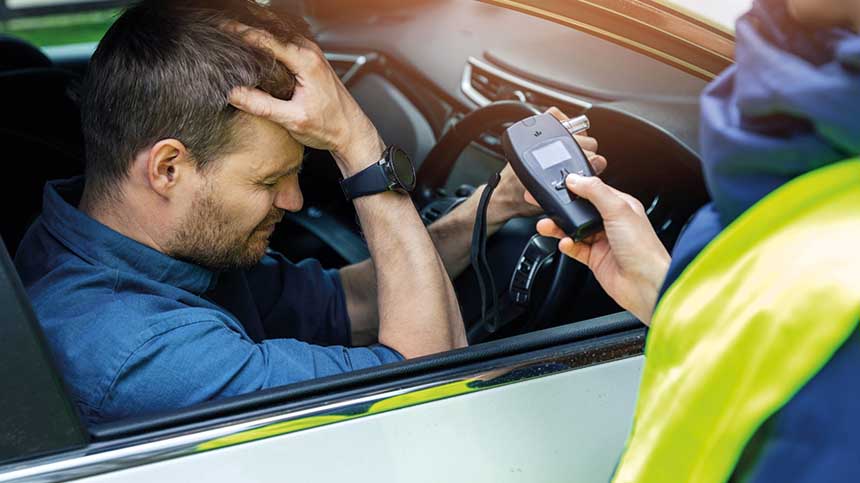
Police can conduct roadside tests if they suspect someone of drug-driving, but in some cases they will be asked to provide a blood or urine sample. It can take up to six months to get a result, with reoffending occurring during that period.
An IAM RoadSmart survey of 2,053 UK motorists last year found that 82% support a proposal to give police powers to suspend drivers immediately pending trial for those testing positive for drug-driving.
Broken system
IAM RoadSmart policy, public affairs, and communications manager William Porter said: “The fact that those who have tested positive to a roadside test are allowed to get back into the driving seat pending a laboratory blood test shows that the system is broken.
“We welcome the proposed government shake-up and would like to see an immediate suspension when a driver has provided a positive roadside saliva drug test.
“We also need to see the introduction of a drug-drive rehabilitation course with better screening for drug and mental health problems and with clear pathways to treatment.
“Drug-drivers often need support to break the pattern of reoffending by changing their mindset and habits, understanding how drugs impair driving, and the serious consequences for themselves and others.”
