





Tyre Safety Month highlights risks of defective tyres
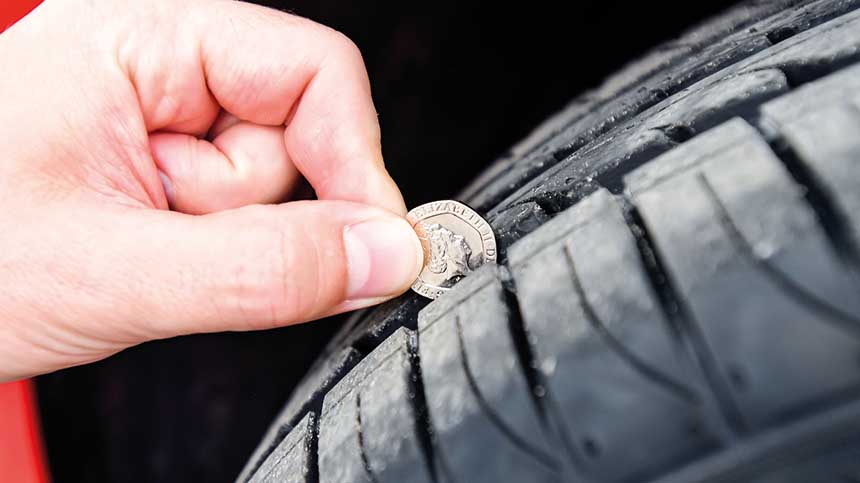
Road safety charity Tyresafe has launched Tyre Safety Month by issuing a stark warning to drivers about the risks around defective tyres.
It has revealed that over the past five years poorly maintained tyres have caused an average of 152 road deaths and serious injuries each year.
However, this figure, which is comparable to the impact of mobile phones, is still rising with 172 people killed or seriously injured in 2024 due to tyre-related incidents.
Tyresafe has further warned that 75% of tyre defects in fatal collisions are due to a basic lack on maintenance.
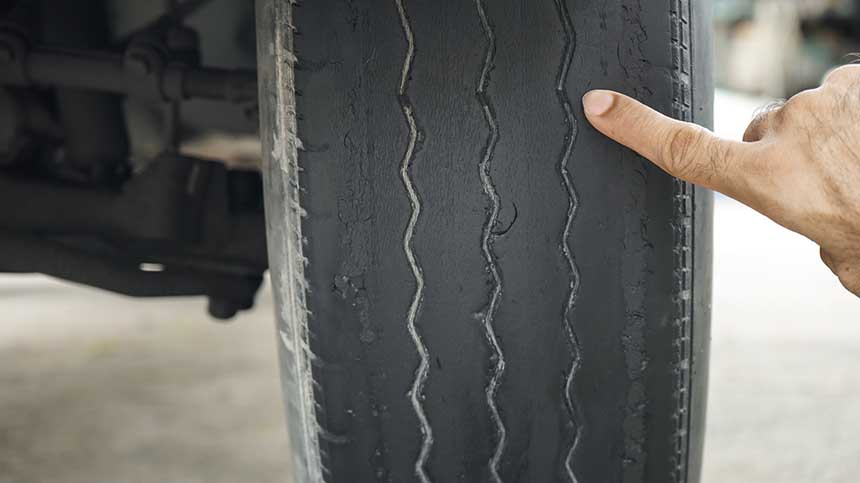
Under Pressure
It has released these figures to coincide with Tyre Safety Month, an annual campaign to raise awareness around tyre safety. This year’s theme, Under Pressure, highlights how everyday stress and financial worries are leading drivers to neglect simple tyre checks at precisely the time of year when they are most needed.
October is statistically the UK’s wettest month of the year, when stopping distances are at their most critical and tyre performance can be the difference between life and death.
It warned a worn tyre has seven times more effect on stopping distances in the wet than alcohol, while a worn tyre adds 27m to stopping distances when driving at average motorway speeds and 6.9m at 50mph.
Tyre Safety Month
Stuart Lovatt, TyreSafe chair, said “TyreSafe first introduced Tyre Safety Month to bring national attention to a subject that too often goes unnoticed. Two decades on, the problem is still with us, and in fact casualties linked to illegal or poorly maintained tyres are rising.
“Our latest research shows that stress and financial pressure are leading people to skip even the simplest of tyre checks. But with October bringing wet roads and longer stopping distances, now is the most important time to act.
“Tyres shouldn’t be another source of stress, they should be your first line of defence. By following our ACT principle – checking air pressure, condition and tread – road users can save money, reduce anxiety, and most importantly, save lives.”
