





Thatcham Research joins RCAR call for vehicle design changes
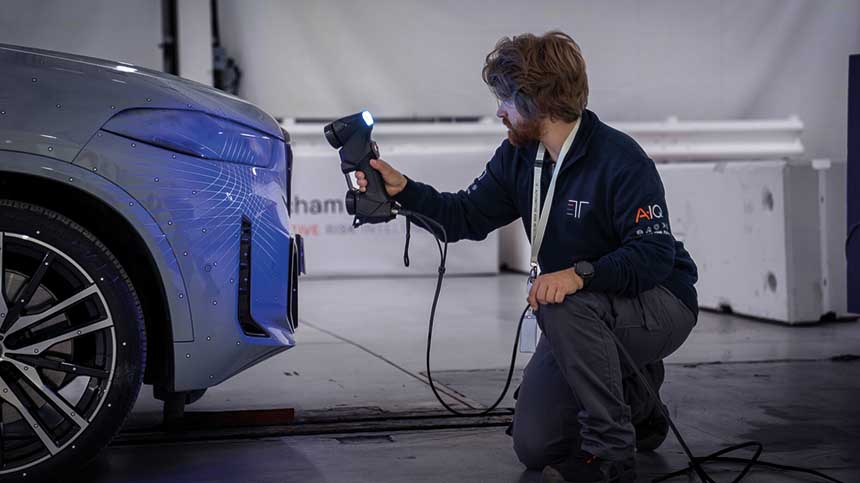
Thatcham Research has backed global motor insurance research institutes in calling for manufacturers to design out vehicle damage caused during everyday collisions.
It joined 19 research institutes from 15 countries in Mexico City for the annual RCAR conference to discuss vehicle design, damage prevention and crash risk. The aim is to promote closer cooperation between insurers and vehicle manufacturers to reduce the frequency and cost of claims and keep mobility affordable over the long term.
Three clear areas of opportunity were identified during the conference:
Vehicle design – building in repairability from the outset: Connectivity, driver assistance systems and new propulsion technologies have made vehicles significantly more complex, and when damage occurs that complexity can lead to more extensive repairs and higher costs. RCAR’s institutes are calling for crash performance to be optimised and repairability considered systematically at an early stage of vehicle development.
Driver assistance systems – major potential to reduce parking damage: Parking and manoeuvring damage continues to account for a substantial share of total claims. Broad deployment of automatic emergency braking for close-range manoeuvring could reduce collision damage claims worldwide by up to 15%.
Repair methods – repair before replace: Wherever technically feasible, repair should take precedence over replacing parts, supported by repair-friendly vehicle design and the use of quality-assured recycled and aftermarket components.
Jonathan Hewett, chief executive, Thatcham Research, said: “Most drivers will never be involved in a high-speed crash, but almost all of us will at some point have a scrape in a car park, a nudge at a junction or a clip on a roundabout. Those everyday incidents account for a very large share of what insurers pay out, and how much each one costs depends to a great extent on how the vehicle was designed.
“RCAR is not a household name, but its influence is felt in every new car. Its standardised low-speed crash tests replicate exactly these everyday collisions, rather than the severe impacts used in safety testing.
“They are the reason we can compare damage and repair performance between vehicles on a like-for-like basis anywhere in the world, forming the foundation of the independent insurance risk rating we apply to every new car sold in the UK.”
Encouraging
Hewett continued: “The encouraging news is that manufacturers are listening. More than half now put repairability ahead of traditional customer priorities, and our own assessment data shows new cars sustaining less damage in the standardised low-speed test than they did a year ago.
“A car that is quicker and cheaper to repair is cheaper to insure and cheaper to own, and that is a competitive advantage for any manufacturer that gets it right.
“But there is a long way to go. Repair costs remain high and, while the average is moving in the right direction, the gap between the best and worst performers is still far too wide.”
