



Standard paint repair methods unsuited to EVs
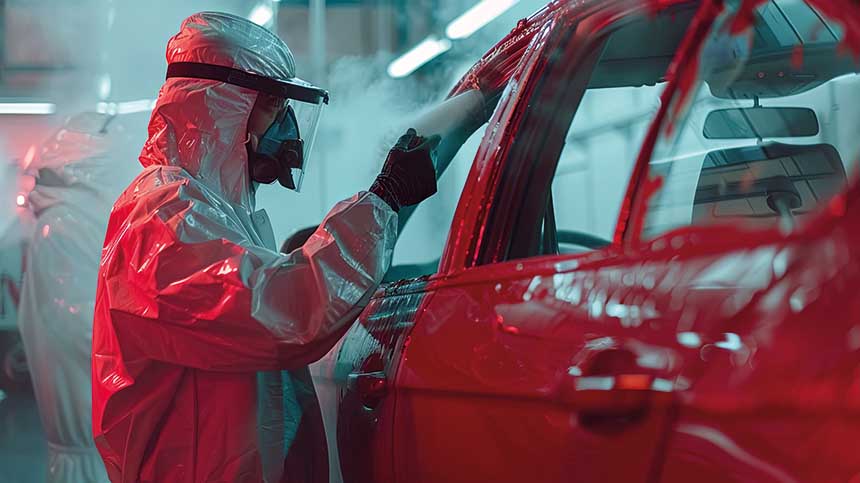
AXA UK Commercial has warned that standard paint repair methods used for petrol and diesel cars can present a fire risk if applied to electric vehicles.
Car panels require curing after they have been repaired and resprayed. Typically this is carried out in high temperature spraybooths that reach over 50 Deg C. But while this poses no risk to internal combustion engine cars, it can cause electric cars to catch fire and even explode.
AXA UK Commercial has now produced specific guidance to warn the aftermarket and wider industry about the hazards of carrying out paint repairs to electric vehicles due to lithium-ion batteries.
The guidance also suggest alternative repair methods such as using fast-drying paints that need minimal heat exposure or drying panels with shortwave electric infrared systems that concentrate heat precisely.
New challenges
Dan Wilkins, property technical risk manager, AXA UK Commercial, said: “The government ban on the sale of new petrol and diesel vehicles from 2030 means we’ll see an increasing number of electric vehicles on UK roads in the coming years. This presents a raft of new challenges for repair shops, mostly due to the lithium-ion batteries that require careful storage and handling.
“Exposing an EV battery to high temperatures can cause lasting damage and the high voltage components on the car can short, causing them to catch fire or explode. It’s crucial that repairers are aware of the dangers of using standard paint curing cycles for EVs and make adjustments according to the manufacturers’ recommendations.
“Many garages may not currently be equipped to handle EV repairs as this requires technicians to undergo specific training. However, even repairing a dent in a panel on an EV requires expertise to ensure the vehicle is handled correctly and isn’t inadvertently damaged or catches fire during the curing process.”
