


Road Safety Strategy targets 65% fall in road casualties
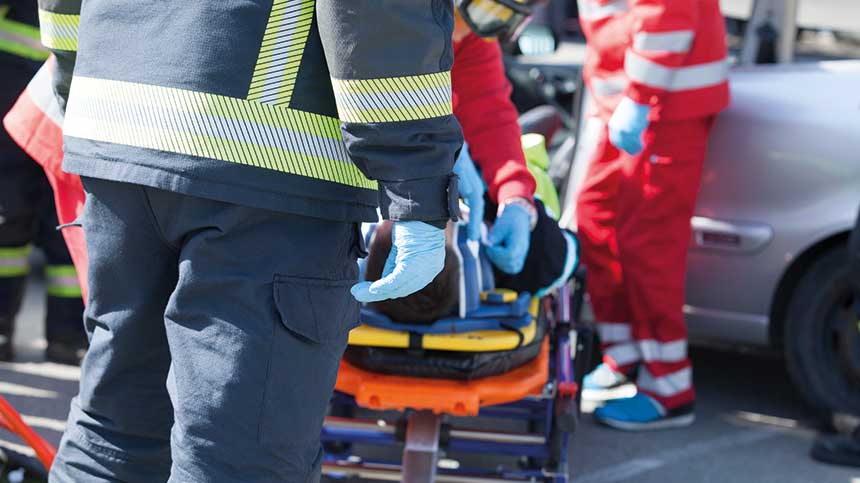
The government has unveiled its new Road Safety Strategy intended to cut serious injury and deaths on UK roads by 65% by 2035.
The strategy sets an even more stretching target of 70% for under 16s, with learner drivers facing a minimum learning period of up to six months before they can sit their test.
Among a raft of new measures, the government will consult on lowering the drink drive limit in England and Wales and the potential introduction of preventative technology such as alcohol interlock devices.
It will also consult on mandatory eyesight tests for those over 70, while new measures will target the growing problem of illegal number plates, uninsured drivers and vehicles without a valid MOT.
Collisions
Further, a new Road Safety Investigation Branch will analyse collision patterns and inform prevention strategies, while the strategy also mandates 18 new vehicle safety technologies, including autonomous emergency braking and lane-keeping assistance.
Secretary of State for Transport, Heidi Alexander, said: “Every life lost on our roads is a tragedy that devastates families and communities. For too long, progress on road safety has stalled. This strategy marks a turning point.
“We are taking decisive action to make our roads safer for everyone, from new drivers taking their first lessons to older motorists wanting to maintain their independence. The measures we are announcing today will save thousands of lives over the coming decade.”
Long overdue
Edmund King OBE, director of The AA Charitable Trust and AA president, said: “This is a positively radical reframing of road safety, which is long overdue. We commend the government for its wide ranging and ambitious strategy and ambitious targets, which we hope will save the lives of thousands of people.
“Tackling drivers who drive under the influence of drink or drugs, people who don’t wear their seatbelts and those getting behind the wheel without insurance are key to reducing road deaths and serious injuries. We also endorse the mantra of road safety being a lifelong education, not just when learning to ride or drive.
Concrete action
RAC road safety spokesperson Rod Dennis said: “We’ve long said the dial needs to be turned up when it comes to reducing road casualties, so we warmly welcome this strategy – and especially the reintroduction of casualty reduction targets, that were scrapped 16 years ago.
“The simple truth is that this strategy can’t come soon enough. Britain might have some of the safest roads by international standards, but on average four people are still killed and 76 seriously injured every single day. That’s an unacceptable number of lives being ruined or cut short.
“The strategy addresses many areas we know drivers are concerned about, including drink and drug-driving, ‘ghost’ plates and dazzling headlights. The inclusion of a commitment to consult on the use of alcohol interlocks for convicted drink-drivers is particularly encouraging, especially given the extent to which drivers are supportive of their use.
“It’s also positive to see proposals on the table for both improving young driver safety and tackling the scourge of uninsured drivers who push up motor insurance costs for everyone. What we need now is for it to quickly evolve into a set of concrete actions that make the roads safer for everyone.”
Ambitious targets
IAM RoadSmart director of policy and standards Nicholas Lyes said: “After what can be described as a lost decade in terms of reducing the number of killed and seriously injured on the roads, we welcome the government’s commitment to ambitious targets and robust policies to make our roads safer.
“The strategy focuses on all key aspects, including behaviours, training, vehicle technology and enforcement – all of which play a crucial role in keeping us safe on the road. An emphasis on younger drivers and motorcycle safety is particularly positive, considering these are some of our most vulnerable road users.
“We’re also pleased to see action being taken on drug driving, which is a growing menace and by giving police additional powers to take action against those caught at the roadside, it will serve notice that such dangerous behaviours will not be tolerated.”