



Electric vehicle drivers pay heavy cost of public charging
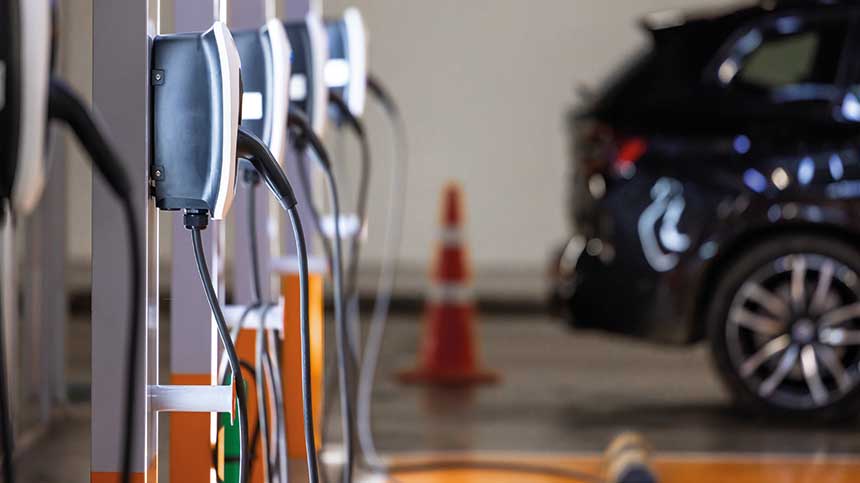
New analysis has found that electric vehicle drivers could pay up to £1,327 more to charge their car annually on the public network compared to charging at home.
Drivers relying on public charge points must still pay 20% VAT on top of charging costs, which adds about £332 a year to charging costs for drivers of the Tesla Model Y.
When added to higher prices for charging on a public point, drivers without a home charging option pay around £1,327 more every year compared to those who do.
Data from Big Motoring World revealed that a Tesla Model Y charged at home can cost around £663 a year. However, when charged on a public charger that cost increases to £1,360, and on rapid public chargers it rises to £1,990.
It’s a similar picture for the Tesla Model 3, with annual home charging costs about £539 compared to £1,619 on public rapid chargers.
Stuart Porro, head of content at Big Motoring World, said: “Scrapping VAT on domestic electricity is good news for drivers who can charge at home, but for EV drivers who don’t have driveways, it widens the gap. They already pay more per kWh at public chargers, and then still have to pay 20% VAT on top of that.
“Used electric cars have never been more affordable, and we’re seeing huge second-hand demand for models like the Tesla Model Y and Model 3, but owners of these cars could be paying over £1,000 more a year than other drivers if they rely on public charge points.
“The VAT cut on home electricity is only temporary, so the Autumn Budget is the Chancellor’s opportunity to decide what comes next. Any extension should include public charging as well, so that EV drivers without driveways aren’t paying a tax penalty, ultimately making the switch to electric fairer for everyone.”
