



Autumn Budget: automotive industry reaction
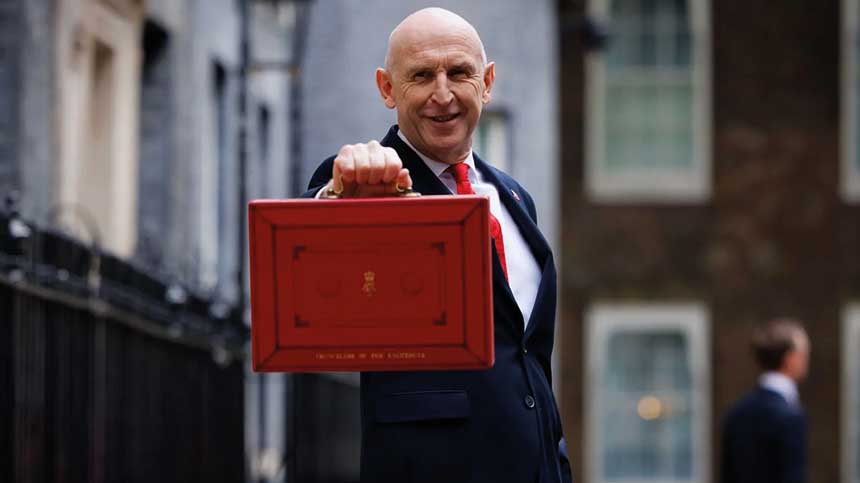
The automotive industry has described the Autumn Budget as a missed opportunity to support drivers, develop skills and improve roads.
Chancellor of the Exchequer John Healey used the budget to announce an extension to the 5p freeze on fuel duty until July 2027, but offered little support for skills development and did not address the 20% VAT on public charging for electric vehicles.
IMI
The Institute of the Motor Industry has said the Autumn Budget was a missed opportunity to invest in the skilled, competent automotive workforce on which the government’s ambitions for growth, net zero and road safety ultimately depend.
Nick Connor, CEO of the IMI, said: “Every one of the government’s ambitions depends on having enough skilled, competent people to service, repair and maintain the vehicles on our roads.
“The sector is facing a perfect storm of workforce shortages, an ageing vehicle parc and rapid technological change, yet the Budget does nothing meaningful to address it. Without targeted investment, those pressures will hold back productivity, slow the adoption of new technologies and increase the risks for employers and motorists alike.
“Growth, net zero and safer roads all start with the people who keep Britain’s vehicles on the road. The IMI stands ready to work with government to put in place the skills those ambitions depend on.”

The AA
Edmund King, AA president, said: “While the 5p freeze has been extended to July 2027, this only delays a £3.30-a-tank price shock later. Higher pump prices impact everyone through rising bills and increased inflation. The Chancellor could have gone further and cut fuel duty by an extra 5p, even if only for diesel which is the workhorse fuel for UK PLC. Increased VAT receipts from fuel could have helped fund this.
“Diesel prices currently sit at 198.70 ppl compared to 178.90 ppl at the end of July. The heightened cost of diesel is undoubtedly adding an extra strain to household budgets as they head to the shops. Dropping diesel fuel duty by a further 5p a litre would have soon lowered transport costs by 0.5% in one go, courtesy of fuel surcharges added to invoices by many delivery companies**.
“Delaying the fuel duty increase is a welcome trick, but no treat for drivers.”
On the retention of the 20% VAT rate on EV public charging, King added: “The Chancellor has missed the chance to help accelerate the transition to electric cars by retaining the 20% VAT rate on public charging. Around two fifths of households do not have any form of dedicated off-street parking, and retaining the difference in VAT rates only widens the Pavement Tax.”
The RAC
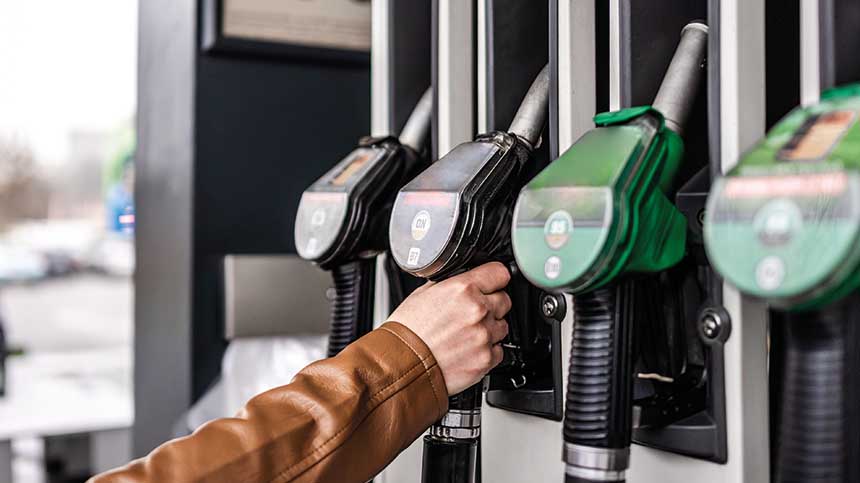
RAC senior policy officer Rod Dennis said: “While drivers may breathe a mild sigh of relief knowing that fuel duty isn’t about to suddenly go up, many are likely to be disappointed the Chancellor didn’t go further to support them.
“A freeze only avoids making an already difficult situation worse – it doesn’t make filling up any cheaper. And it’s worth remembering that pump prices still soared this summer, despite fuel duty being at this very same reduced rate.
“Drivers will now have to hope for an easing of the international conflicts that have pushed up oil prices and disrupted fuel supplies if pump prices are to come down in a meaningful way.”
Asphalt Industry Alliance
Daid Giles, AIA chair, said: “The Chancellor’s Budget speech had little in terms of hope for local roads and was another lost opportunity to tackle the resilience issues that are all too evident to road users.
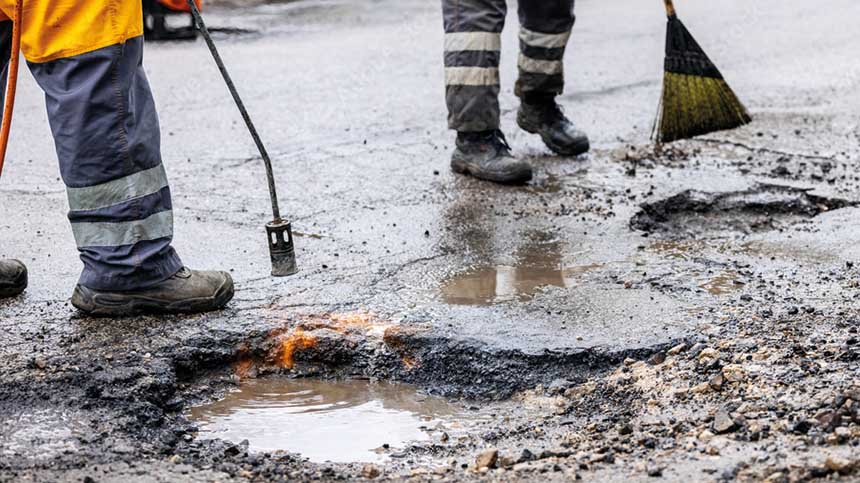
“The DfT reported last week that record funding produced record results with nearly 7,000 miles of road resurfacing taking place this year. While it is a step in the right direction, this only equates to improvements to three per cent of the 204,000 miles of local roads in England and Wales.
“More still needs to be done – and quickly – if we are going to end the pothole patch and mend cycle that has been a fixture for far too long and resulted in a £18.62bn repair backlog.
“We understand the challenges the Chancellor has , but our Budget submission to HM Treasury included a call for re-phasing the government’s £7.3bn allocation to 2030 to release more of the allocated capital funding sooner. This would have provided noticeable benefits for road users through improved road conditions.”
NFDA
Sue Robinson, chief executive of National Franchised Dealers Association, said: “This Budget was an important opportunity for the Government to recognise the contribution of automotive retail to the UK economy. With rising employment costs, continued pressure on businesses and the transition to electric vehicles, our sector was looking for greater certainty and support, to invest and grow.
“Dealers are already struggling with rising employment costs, and these further increases of 3.9% to the National Minimum Wage will only add to the pressure. With around 700,000 employees in the motor retail industry in the UK right now, businesses need support to retain staff and recruit, not additional financial burdens.
“This is also another missed opportunity to address the skills shortage facing automotive retail. Dealers are ready to train the next generation, but they need an apprenticeship system that properly, with the appropriate funds to support this.”
