



Vehicle claims costs revealed in new WSG data
New data has revealed that average vehicle claims costs have risen to £621 this year, driven partly by the greater level of technology built into modern cars.
This is according to analysis of more than 15,000 claims authorised from December 2024 to November 2025 carried out by Warranty Solutions Group.
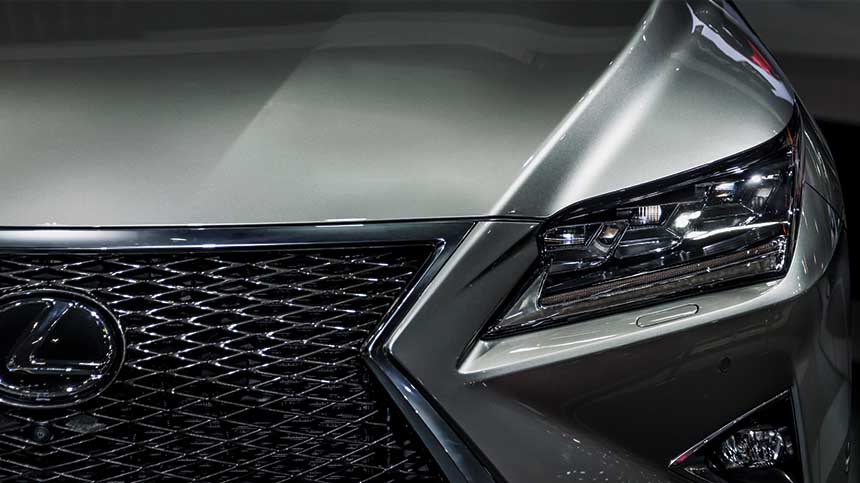
The data found that Lexus owners make the fewest warranty claims with a rate of just 5.79% and an average repair cost of £639.23, followed by Toyota (8.78% and £431) and Suzuki (10.80% and £447). Honda, Dacia and Mazda also recorded claims rates of under 17% compared to the 28% average across all 35 makes included.
Smart recorded the lowest average claim cost at £322, followed by MG at £371, while the most expensive average claims costs were Bentley (£1,749) and Porsche (£1,169).

Common faults
Battery failures were the single most common issue across all vehicle types, accounting for 2.47% of all warranty claims, followed by ABS wheel speed sensors (2.43%) and water pump issues (2.36%).
But while these traditional wear-and-tear dominate claim volumes, the data revealed a wider trend: the cost of even routine repairs is steadily increasing due to the complexity of modern vehicles. What would once have been a £200 repair can now easily exceed £500 due to diagnostic labour, calibration requirements and parts availability.
High-cost repairs
Martin Binnee, operations director at Warranty Solutions Group, said: “The data highlights how reliability can vary dramatically between brands, but also shows where the real-world risks lie for dealers and consumers alike. Common faults like batteries and sensors are predictable and manageable, but it’s the complex, high-cost repairs that can really undermine customer confidence if not addressed proactively.
“For dealers, these insights underline the importance of robust warranty partnerships and data-led aftersales strategies. Understanding claim trends helps protect margins and, ultimately, builds long-term trust.
“Reliability is no longer just a manufacturer talking point, it’s a commercial differentiator that directly shapes customer retention and profitability.”
