



Used electric vehicle sales drive third quarter growth
Used electric vehicle sales grew faster than any other fuel type in the third quarter of the year, according to new data from the Society of Motor Manufacturers and Traders (SMMT).
Figures revealed that pure electric vehicle sales surged by 44% to 80,614 units and a four per cent share of the market.
Meanwhile, hybrid electric vehicle transactions were up by 30% to 107,727 units and a 5.3% share of the market, and plug-in hybrid sales growing by two per cent 23,480 units and a 1.2% market share. In contrast, petrol sales were up just 1.9% to 1,145,148 units and diesel fell 2.8% to 658,664 units.
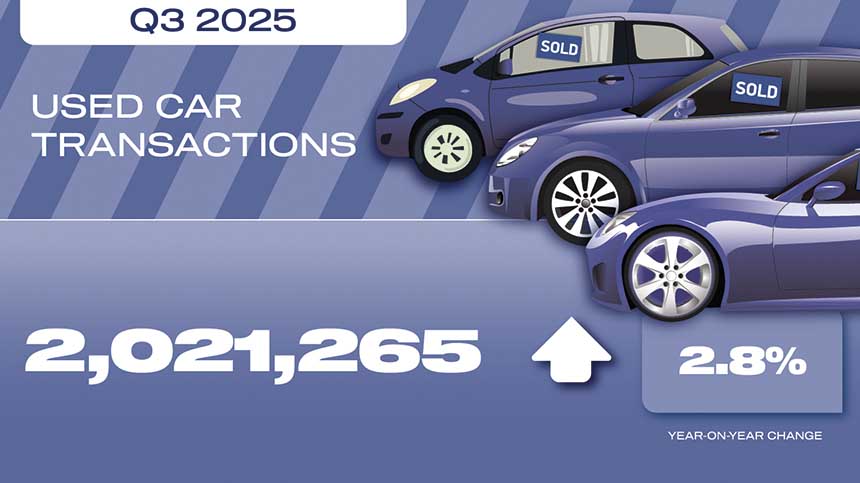
Across the whole used car market, sales grew 2.8% in the third quarter to reach more than two million transactions, making it the best third quarter since 2021 and the 11th straight quarter of increasing sales.
Data also found that the average age of the UK vehicle parc is getting older. It now stands at 9.5 years, up from eight years in 2019.
Fiscal policy
Mike Hawes, SMMT chief executive, said: “With used EV uptake at a record high, a robust used car market is essential for fleet renewal, and helps make electrified mobility more accessible for more motorists.
“However, overall consumer choice and affordability are at risk if the government scraps Employee Car Ownership Schemes, a move that would stifle supply of the very latest vehicles into the used market and cut Exchequer revenue. Britain needs fiscal policy that promotes rather than prevents economic growth, social mobility and decarbonisation.”
Regulation
Sue Robinson, chief executive of the National Franchised Dealers Association, added: “NFDA is pleased to see the used car market’s growth and the impact of the new Electric Car Grant (ECG) on used vehicle sales, whilst still being assessed, has not adversely impacted the market.
“The used car market is hugely important to the UK, helping to drive economic growth. With the Budget scheduled for the end of the month, NFDA calls on the Chancellor to address the concerns of the automotive industry, particularly in relation to regulation and growth, to help sustain the positive momentum in today’s figures.”
