



RAC calls for compulsory pothole prevention training
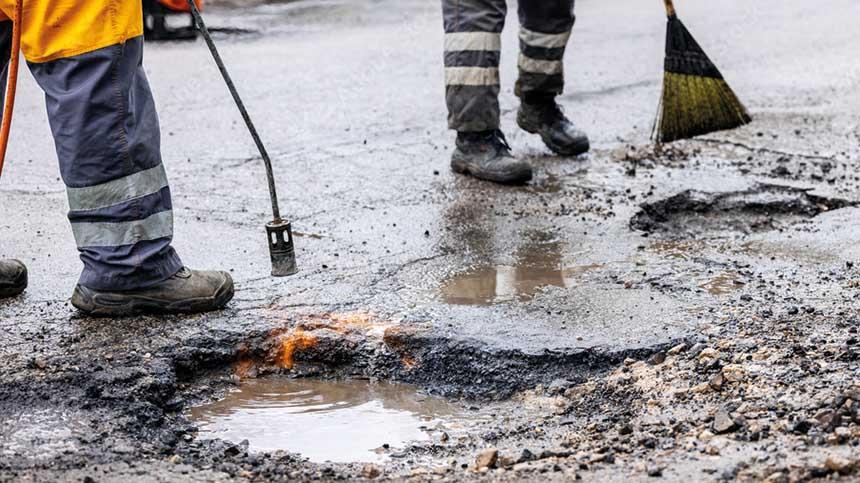
The RAC has called on the government to introduce mandatory training for councils around pothole prevention.
Together with the Road Surface Treatments Association (RSTA), it is urging the government to introduce new training for councils to highlight the benefits of preventative maintenance treatments.
This comes after the RSTA said too many councils are ignoring treatments that could be applied after five years to protect road surfaces, and instead allowing potholes to form after 10 or 15 years and then repairing them at much greater cost.
Government data revealed that half of local highway authorities in England did not carry out any preventative maintenance on their A roads in the 2023/24 financial year, with 36% failed to do so for B, C and unclassified roads.
RAC head of policy Simon Williams said: “The ‘reactive only’ maintenance approach which so many local authorities rely on is particularly expensive, as it means only a small proportion of the road network is actually being treated. This has very clearly contributed to the situation we are in today with large volumes of potholes and roads in poor condition.”
Mandated training
RSTA chief executive Mike Hansford added: “Our joint plea to the government is for them to mandate training for those local authorities not carrying out any preventative road maintenance.
“The need for comprehensive training is highlighted by the fact so many skilled and experienced engineers are retiring or leaving the sector, which means the industry is losing vital knowledge. What’s more, engineering courses often focus on the building of roads and do not cover the important role ongoing maintenance plays in protecting these most valuable of assets.
“At the same time, we’ve seen demand for continued professional development training on key preventative treatments, such as surface dressing and microsurfacing, reduce in recent years.
“It’s therefore very clear that there are some knowledge gaps in the sector that are leading to poor road maintenance decisions that are neither cost-effective or carbon-efficient.”
