



Pothole prevention treatment up 15% in 2025

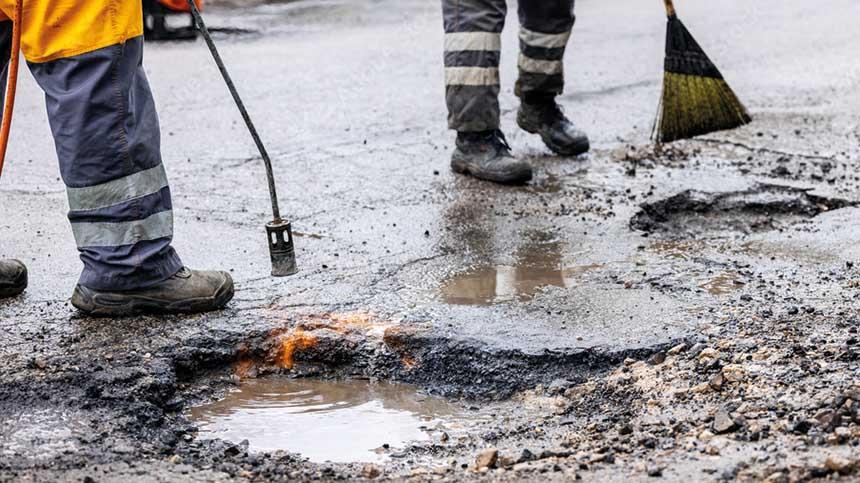
Pothole prevention treatment to local roads has increased by 15% so far this, according to the RAC.
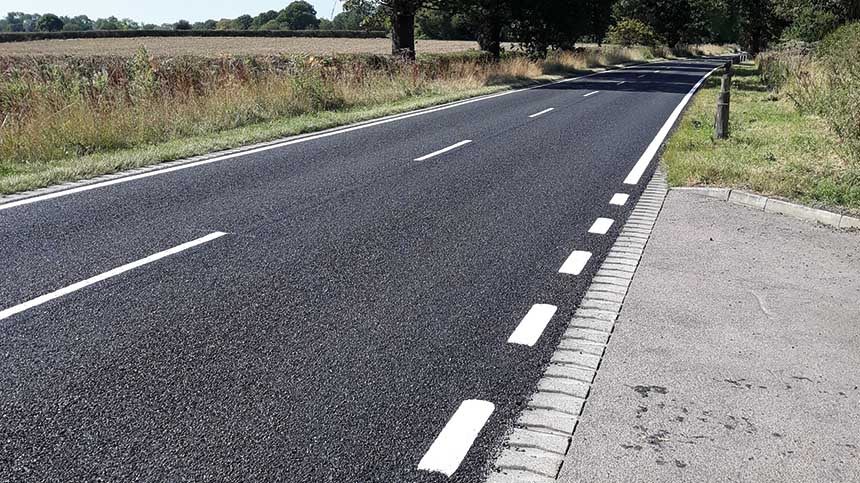
Figures from the Road Emulsion Association (REA) have revealed that around 44.4 sqm of surface dressing were applied over the April-to-September preventative maintenance season compared to 38.5m in 2024.
This is enough to treat the equivalent of around 4,340 miles of road.
The figure was also a 25% increase on 2023 but still 32% below the amount applied in 2012.
Step in the right direction
RAC head of policy Simon Williams said: “These new figures are a step in the right direction for drivers who are plagued by potholes on Britain’s roads every time they get behind the wheel. We welcome more local highway authorities carrying out surface dressing work, as this is proven to extend the life of roads by 10 to 15 years by sealing cracks and stopping water getting in and, ultimately, stopping surfaces breaking down.
“We hope even more surface dressing will be carried out going forwards as the government is on board with the preventative maintenance message that the RAC, REA and the Road Surface Treatments Association have been advocating.
“We’re also very pleased to see the government asking councils to show how much preventative maintenance work they’ve carried out over the last five years and how much they plan to do in this financial year. We remain convinced that prevention, rather than cure, is the answer to smoother, safer roads.”
Highways maintenance
REA consultant and secretary Kevin Maw added: “We reported a nine per cent increase in bitumen emulsion volumes in 2024 so to report a bigger increase for the second year running is encouraging. We believe the surge in potholes over recent years directly correlates with the reduction in surface dressing; a successful preventative maintenance treatment that keeps roads in good condition.
“Investing in preventative highways maintenance is crucial to protecting one of the country’s biggest assets and it’s clear that this message is finally getting through. We hope it continues.”
