



Headlight glare a concern for 82% of drivers
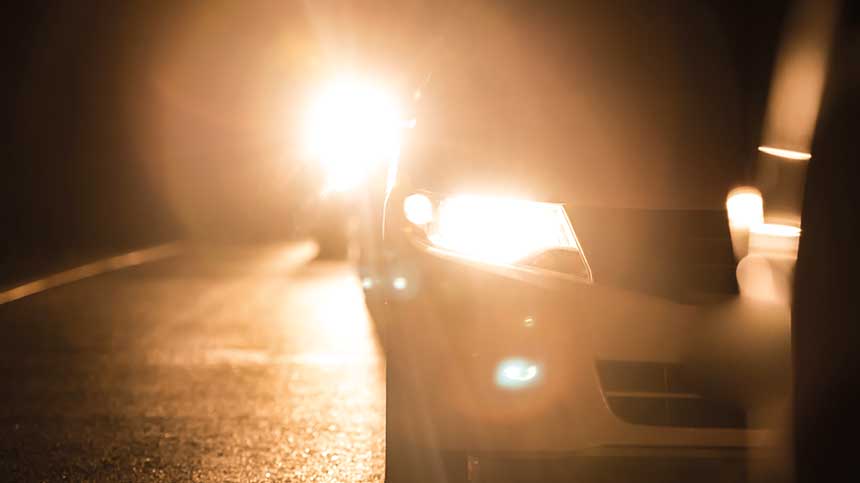
More than 80% of drivers believe headlight glare will be a bigger problem now the clocks have gone back and the evenings are darker earlier.
RAC research has found that 82% have said they are concerned about being dazzled by headlights, with the research also revealing that bright headlights are the main reason motorists are nervous about driving in the dark.
Of the 38% of respondents who said they are nervous about driving in the dark, 75% said it was because of bright headlights, compared to 63% who said spotting hazards is harder in the dark and 41% who said they can’t judge the speed of other vehicles as easily.
Meanwhile, a third reported they are nervous about driving in the dark as they find judging the distance of other vehicles harder, while around a quarter (23%) say they just feel less confident driving at night.
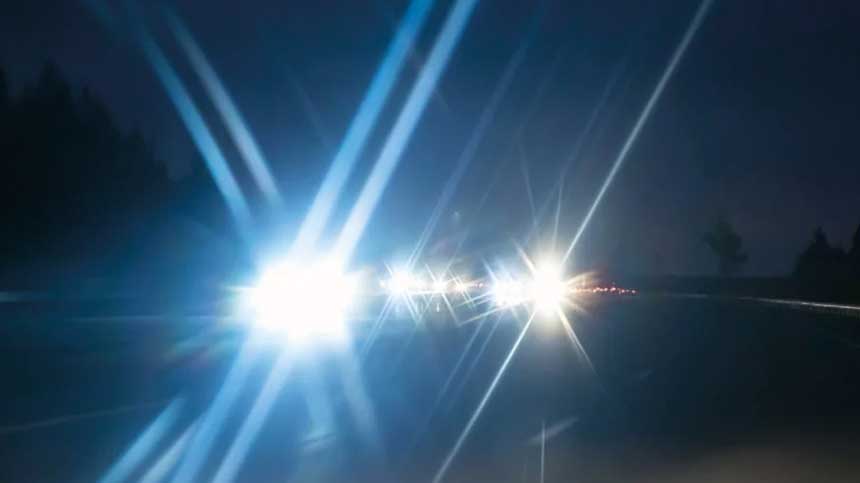
Bright headlights
RAC senior policy officer Rod Dennis said: “Unfortunately, for a lot of drivers the annual onset of darker evenings coincides with another unwelcome arrival; that of overly-bright headlights that they believe make driving more difficult due to dazzle and discomfort.
“While most of us have no choice other than to adapt to driving at night more often as the clocks go back, the fact headlight glare is the leading cause of nervousness underlines it’s a problem that needs tackling.
“At the same time, it’s important to remember that brighter headlights can give drivers a better view of the road ahead, so there’s a balance to be struck.”
Spike in collisions
IAM RoadSmart director of policy and standards Nicholas Lyes said: “November often sees a spike in the number of collisions as reduced grip and visibility catches out the unprepared driver.
“Sadly, the impact of headlight glare is now also a worry for motorists, so much so the evidence suggests many are reducing their driving in the evenings. It’s a timely reminder to check headlight aim, ensure lenses are clean, and replace any faulty bulbs promptly and carefully.
“Drivers should also consider adjusting their speed and increasing stopping distances during darker hours to account for any limited visibility.”
