



Drivers warned of ‘crash hour’ when clocks go back
Drivers have been warned of an 11% increase in crashes in the three weeks after the clocks go back.
The clocks go back an hour on Saturday night, with AA Accident Assist revealing a sharp rise in crashes as a result of the darker evenings.
It has reported that since 2022 there has been an 11% increase in crashes during the evening rush hour (4pm-7pm) in the three weeks after the autumn clock change compared to the three weeks before.
It is now urging drivers to follow a series of safety tips to reduce the likelihood of incidents:
- Leave more distance between you and the car in front – create at least a four second gap
- Ensure tyres have at least 2mm tread depth and are pumped up correctly
- Get brake discs and pads checked and replaced if necessary
- Check all bulbs are working so you can see hazards, and others can see you
- Look after windscreen and wiper blades
- Angle your mirror in the dark so that lights from behind aren’t reflected straight in your face
- Be more cautious around schools and poorly lit areas
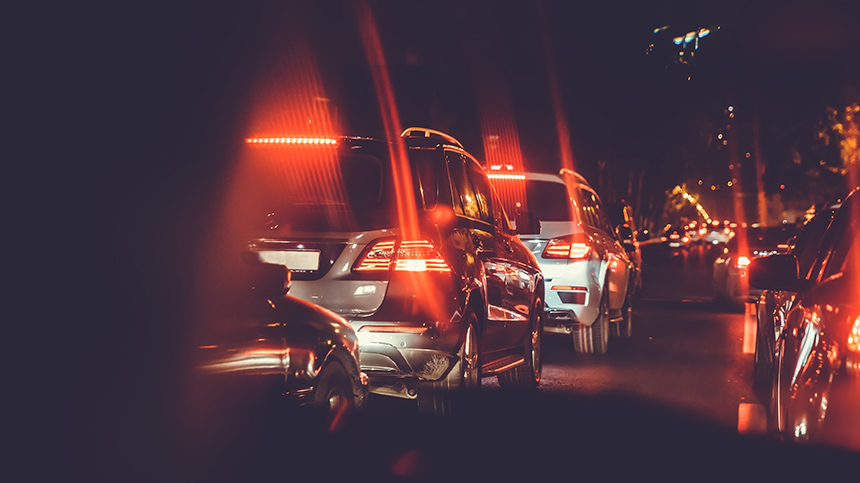
Crash hour
Tim Rankin, managing director for AA Accident Assist, said: “After the clocks go back, the traditional evening traffic jams could be nicknamed ‘crash hour’ for the weeks following the change.
“Darker evenings seem to be catching some drivers out, which has led to more collisions on the roads. Many of these crashes could have been avoided by simply keeping up with vehicle checks or by adjusting to autumn driving.
“Arguably, the best change would be to double the gap advice in the Highway Code and leave a four-second gap between your car and the vehicle in front. Most incidents involve a car running into the back of another, so allowing more time to stop could be the difference between a near miss and an expensive claim.”
