



ADAS contributing to rise in minor accidents, warns AFP
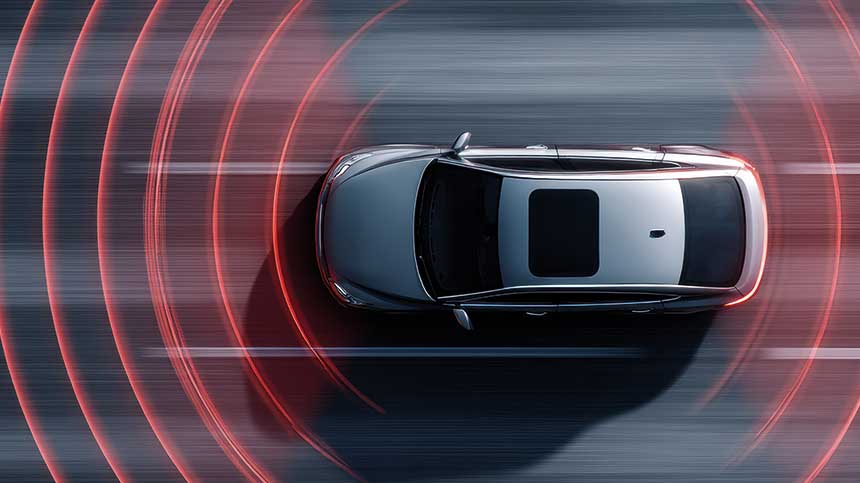
ADAS is deskilling drivers and contributing to a rise in minor accidents, according to warnings from the Association of Fleet Professionals.
It has said that members are increasingly concerned that drivers are becoming over-reliant on technology and developing lazy driving habits.
It has now called for further guidance to help drivers use the technology as intended and maximise its safety benefits.
Lorna McAtear, AFP vice chair and head of fleet at National Grid, said: “We are potentially deskilling drivers by encouraging them to rely on ADAS but this is a misunderstanding of how the technology is intended to work. It is designed to act as a limited driving aid or an emergency safety net, not to take responsibility for aspects of driving.
“Increasingly, we are seeing situations where the driver blames the car for errors that caused accidents, arguing either the technology should have stopped the incident or that ADAS actively caused it. Sometimes this is just shifting the blame but in other cases the driver appears to have completely misunderstood how the devices operate.”
More accidents
Her comments were echoed by Aaron Powell, AFP board member and director of fleet and logistics at Speedy Hire, who claimed that not only is ADAS not working as intended in the real world, it is actually leading to more incidents.
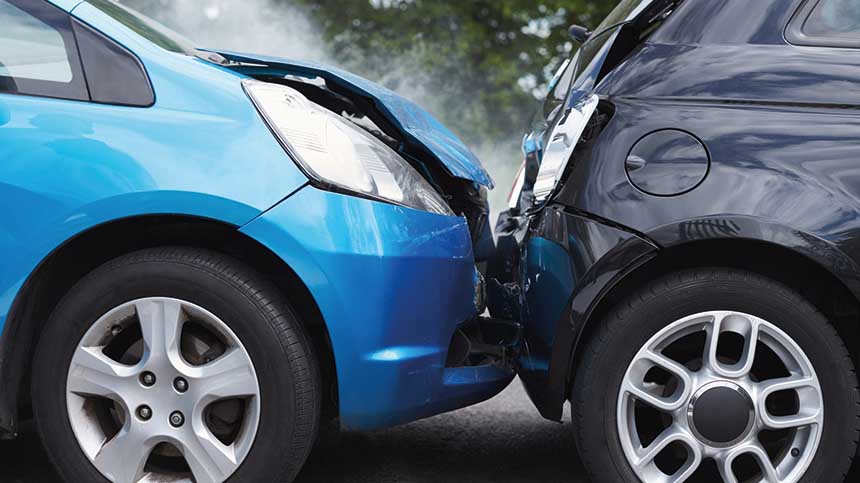
Powell said: “We have seen an increase in car accidents and believe the new technology is playing a role in this trend. It’s important to qualify this statement by saying the rise is more often in less serious incidents, such as car park manoeuvring, but they are more numerous and every accident is time consuming and expensive to deal with from a fleet point of view.
“In our opinion, these low-speed collisions are occurring because ADAS makes some drivers lazy. Driving is seen as less of a proactive skill and more as something that is secondary to a series of devices that will automatically keep them safe.”
A key issue is that ADAS works differently in each model, which can lead to driver confusion. This is likely to increase with ADAS now mandated on new cars and more manufacturers entering the market.
Greater understanding
McAtear concluded: “It’s very difficult to push back against the introduction of safety technology. Safety and technology are both seen as positives, so to argue they might not be working as planned is a controversial point to make, but we think there are problems.
“ADAS has been introduced with limited guidance about how those who created it thought it should be used in everyday driving. We need to develop a greater understanding of how to help drivers integrate this technology into their existing driving style.”
