



Road deaths and serious injury numbers rise in 2026
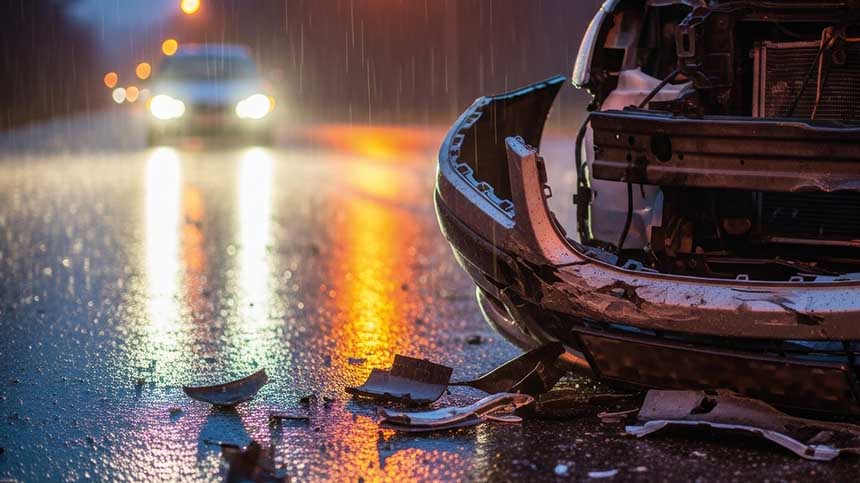
New figures from the Department for Transport have revealed that the number of road deaths and serious injury on UK roads has increased this year.
Provisional data reveals that 1,579 people were killed on Britain’s roads in the 12 months up to June compared to 1,577 in the previous year.
Meanwhile, the number of people killed or seriously injured increased by two per cent, or 670, to 30,274.
Car occupants account for 42% of all road deaths, while young people aged 17 to 29 made up 22% of fatalities. The data also found that 12% of male drivers aged 20 to 24 reported driving when they believed they were over the legal alcohol limit, while three per cent said they had driven while under the influence of illegal drugs.
Edmund King OBE, director of the AA Charitable Trust, said: “Today’s figures make sobering reading. Despite significant advances in vehicle safety technology over the past decade, progress in reducing road deaths and serious injuries has stalled.
“We cannot rely on advances in vehicle safety technology alone to drive down road deaths if some drivers continue to ignore the very basics of road safety. We need safer drivers in safer cars on safer roads.
“The latest figures on self-reported drink and drug driving, alongside what we already know about seatbelt non-wearing, highlight the importance of tackling risky driving behaviours among young men in particular. If the government is to realise the ambitions of its Road Safety Strategy, we need to target behaviours we know cause harm.”
RAC senior policy officer Rod Dennis added: “An average of 83 people are killed or seriously injured on the UK’s roads every single day, up from 81 a year ago. These stark figures are yet another reminder of just how much work there is to do to make our roads safer.
“For a decade now, progress in cutting the number of people killed and seriously injured has stalled, with far too many families left having to cope with the devastating consequences of collisions.
“What’s needed urgently is for the government to publish a clear roadmap for delivering the casualty reduction targets set out in its Road Safety Strategy, with firm actions and timescales. Without that, it’s difficult to see how the country breaks out of the cycle of high casualty numbers.”
