



UK to adopt Euro 7 emission standards

The UK government has confirmed it will adopt Euro 7 emission standards next November, following a Department for Transport consultation.
Euro 7 is the seventh evolution of the Euro standards and the strictest yet, including for the first time non-exhaust emissions such as pollutants from vehicle brakes and tyres.
It will also measure electric vehicle and hybrid battery performance over time, setting minimum performance standards.
Key measures:
- A widening of emissions limits: while previous standards have focused on reducing petrol and diesel vehicle emissions, Euro 7 imposes proper limits on electric vehicles for the first time
- Non-exhaust emissions: even EVs emit pollution through tyre particles and brake dust produced while driving. These particles contribute to microplastic pollution and can be extremely harmful when breathed in. Euro 7 aims to ensure new vehicles emit the lowest possible amount of these
- Extended compliance: new vehicles sold under Euro 7 will need to comply with the standards for a much longer period. Now, cars and vans will be expected to maintain emissions below the limits for 10 years or 124,000 miles, ensuring they remain cleaner for longer
- More realistic driving conditions: vehicle emissions testing will cover a broader range of scenarios aimed at better reflecting real-world conditions. They will be tested during short journeys and in different temperature extremes
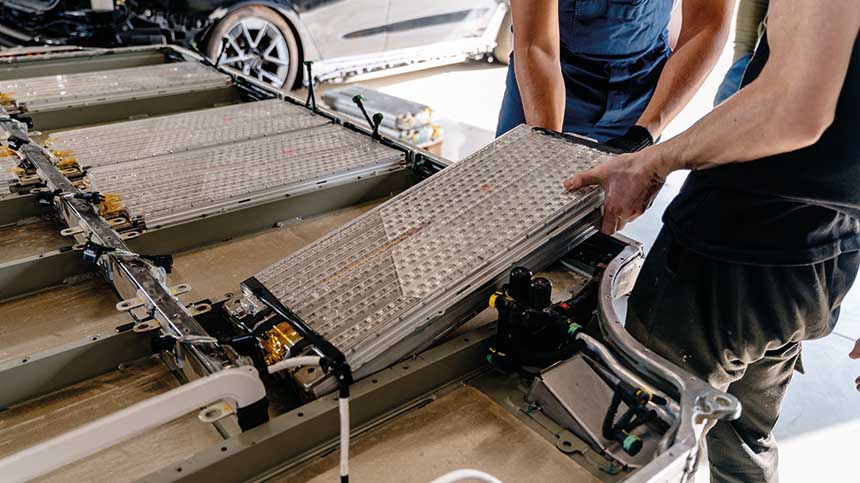
- EV battery testing: electric vehicles and plug-in hybrids will have their batteries tested to see how they degrade over time. Minimum requirements for the service life of batteries include 80% of their original capacity after five years or 60,000 miles, and 72% over eight years or 100,000 miles.
Toby Poston, chief executive of the BVRLA, said: “We welcome the Euro 7 battery health standards. They’re an important step in building trust in electric vehicles, aligning the rules with the global GTR 22 framework is the right approach. It means one consistent benchmark for battery durability across manufacturers, and across different makes and models, so buyers, dealers and leasing companies can finally compare like with like.
“Just as importantly, battery health data should become much easier to access, whether that’s on the dashboard or through the OBD port. That transparency is exactly what the used market needs. The used market has long been a focus for the BVRLA, because that’s where most drivers will make the switch to electric.”
