





Drink-drive fatalities up 14% in a decade
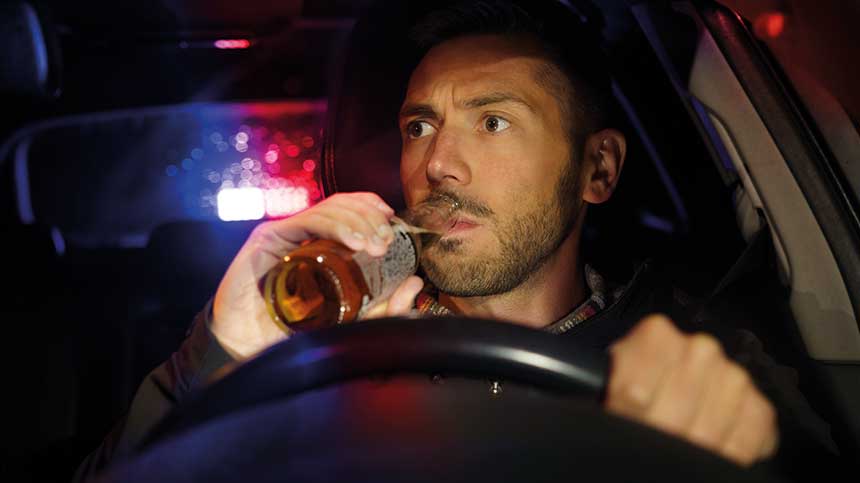
The number of drink-drive fatalities fell to a three-year low in 2024 according to new government figures, but was still 14% higher than a decade ago.
The Department for Transport has reported there were an estimated 220 drink-drive fatalities on the road in 20024, a fall of 16% from 2023.
Drink-drive casualties increased five per cent over the same 10-year period, with collisions involving at least one driver over legal limit rising four per cent.
Meanwhile, the figures revealed that about 1,740 people were killed or seriously injured on UK roads in 2024, a decline of six per cent from 2023, with 6,350 casualties of all severities.
Little change
RAC head of policy Simon Williams said: “The estimated number of people killed or seriously injured by drink-drivers may have dropped slightly year-on-year, but it’s a different picture over the last 10 years; little has changed and we must redouble our efforts to tackle this crime that wrecks so many lives.
“On average, four people die or are inflicted with serious injuries on the UK’s roads as a result of drink-drivers every single day, which should be a clear wake-up call to policymakers.
“It’s also the case that while estimated fatalities may have dropped a little, drink is responsible for an increasing percentage of these collisions. We also know a proportion of these will be repeat offenders for whom the current bans have little to no effect. So, it’s clear there needs to be a new approach to tackling habitual, high-risk drink-drivers, and urgently.
“Drinking and driving is a deliberate act and we implore the government to use its current focus on road safety to mandate the use of alcohol interlocks to cut reoffending.”
Redouble efforts
Meanwhile, IAM RoadSmart director of policy Nicholas Lyes said: “We welcome the fall in the numbers killed or seriously injured in drink-drive-related collisions. However, the proportion of fatalities that involved a driver over the drink-drive limit has remained stubbornly high for more than a decade.
“Drink driving ruins lives, and despite the decades of campaigns and the general shift towards it being seen as socially unacceptable, these figures show we cannot afford to ease off in tackling this scourge.
“We must redouble our efforts to continue shifting mindsets, and lowering the limit in England and Wales alongside boosting enforcement would help send the message that having none for the road is best.”
Time for action
The Lock Out Drink Driving Campaign concluded: “Any reduction in drink-drive deaths is welcome, but 220 lives lost in a single year remains an appalling and entirely preventable toll. For far too long, drink-driving has remained a stubborn stain on Britain’s roads, despite being one of the most preventable causes of death and serious injury.
“It is time to turn words into action and for the government to embrace practical, evidence-led measures that can stop an impaired driver before they put the key in the ignition.
“Alcohol interlocks can provide a final line of defence by preventing a vehicle from starting when a driver is over the limit, stopping a potentially fatal journey before it begins. The technology to save lives already exists. We now need the government to act with urgency, publish its response to the road safety consultation and set out a clear route towards putting this proven intervention into practice.”
